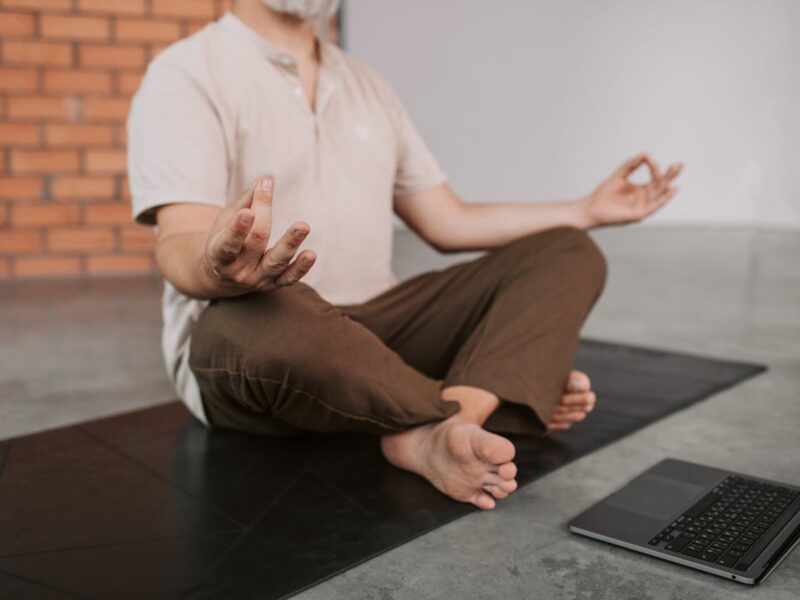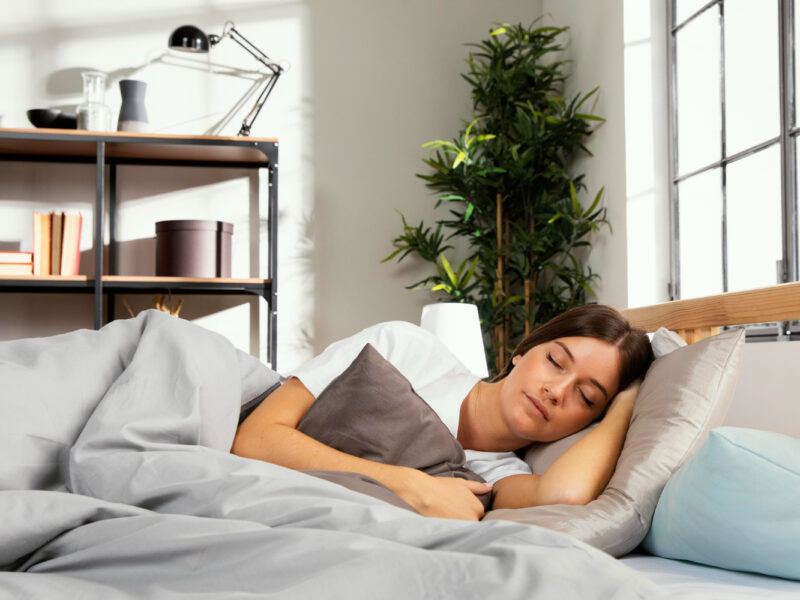


The Japanese island of Okinawa is famous for having the highest number of centenarians in the world. But the real secret of its inhabitants is not lifespan itself, but that they maintain fitness and joy in daily life until their final days. Ikigai, or sense of purpose, keeps them mentally and physically active for decades. Eighty-year-olds tend gardens, meet friends, participate in community life. This is a lesson for everyone: what matters is not just how many years you live, but how you spend them. Learn how to build health that lets you enjoy every day!
Key information:
- Quality of life matters more than the number of years alone
- Biological age can differ from chronological age by up to 20 years
- Physical fitness in older age depends mainly on habits
- Mental health affects longevity as much as diet
- Daily choices shape how we will age
What is health in the context of longevity?
Health is not merely the absence of disease but full physical, mental and social fitness. In the context of longevity, we speak of healthspan, meaning years of life in good health, not just lifespan, meaning total length of life. You can live to ninety and spend the last decade bedridden. You can also live to eighty and cycle, meet friends and pursue passions until the end. The difference between biological and chronological age shows we have influence over how we age.
Modern longevity medicine focuses precisely on extending healthspan. The goal is not adding years to life at any cost but adding life to years. This means preserving muscle strength, balance, mental sharpness, independence in daily activities. These abilities don’t vanish suddenly but slowly fade through decades of neglect.
How to maintain fitness for years?
Physical fitness in older age is mainly a matter of habits maintained throughout life. Muscles, bones and the cardiovascular system respond to stimuli regardless of age. A seventy-year-old starting strength training gains muscle mass and strength similarly to a thirty-year-old, though more slowly. The key is regularity and gradually increasing demands. More about the minimum dose of movement needed to maintain health can be found in the text about effective activity dose.
Pillars of long-term physical fitness:
- Muscle strength – protects against falls and loss of independence
- Aerobic capacity – heart and lungs work efficiently
- Flexibility – range of motion in joints without pain
- Balance – stability preventing falls
- Bone density – resistance to fractures
Sarcopenia, age-related muscle loss, begins already after thirty. Without intervention, we lose 3-5% of muscle per decade, and after sixty the process accelerates. This is not inevitable but a consequence of lack of stimuli. Regular strength exercises can completely halt or even reverse this process.
The role of psychological balance in aging
Mental health affects longevity as strongly as diet or physical activity. Chronic stress, depression and loneliness accelerate aging processes at cellular level. Cortisol, the stress hormone, damages telomeres, shortens sleep, weakens the immune system. People with strong social bonds live on average 7-10 years longer than isolated individuals.
Mental health elements supporting longevity:
- Social relationships – regular contact with loved ones and friends
- Sense of purpose – goals and passions giving life direction
- Stress management – relaxation techniques and recovery
- Optimism – positive outlook on the future
Research on centenarians shows a common pattern: most of them have a strong sense of purpose and maintain active social lives. It’s not about extroversion but about quality of relationships and engagement in something greater than one’s own needs.
What characterises high quality of life?
Quality of life in older age is measured by specific abilities. Can you climb stairs without getting breathless? Pick up your grandchild? Get up from the floor without help? Remember a shopping list? These seemingly simple tasks are markers of functional fitness that determine independence. Losing any of them dramatically reduces quality of life.
Indicators of high quality of life:
- Independence – performing daily activities by yourself
- Mobility – moving freely without assistance
- Absence of pain – physical comfort in daily activities
- Mental fitness – clear thinking and good memory
- Energy – strength to pursue plans and passions
Peter Attia, a physician specialising in longevity, proposes thinking about the “marginal decade”, the last ten years of life. What abilities do you want to preserve then? The answer to this question should shape today’s habits.
Priorities in caring for the body
Not all lifestyle elements have equal importance. At the top of the hierarchy stands sleep, because without regeneration the body cannot function properly. Then physical activity, which maintains fitness of all systems. Then nutrition providing building blocks and energy. Finally, supplementation and biohacking, which are additions, not foundations.
Hierarchy of health priorities:
- Sleep – 7-9 hours at regular times, foundation of recovery
- Movement – daily activity, strength and cardio
- Nutrition – real food, mainly plants
- Stress – management and relaxation techniques
- Relationships – social contacts and sense of belonging
It’s a mistake to seek shortcuts: supplements replacing sleep, biohacks compensating for lack of movement. No technology replaces the basics. Foundation first, then possible optimisations.
Your map to a good life
A good life is not chance but the sum of daily choices accumulating over decades. Every walk, every meal, every hour of sleep, every conversation with a loved one is a building block for the future. You don’t need to be perfect, just consistent. Small, repeatable habits bring greater results than sporadic heroic efforts. Start with one change today, and in a year you’ll be in a completely different place.
FAQ: Most frequently asked questions about quality of life
Can quality of life be improved in older age?
Absolutely – the body responds to healthy habits at any age, and even small changes in diet and activity bring measurable benefits.
What most affects healthspan?
Regular physical activity, especially strength training, has the greatest impact on maintaining fitness and independence in older age.
How to measure your biological age?
Epigenetic tests, blood tests and functional fitness assessment allow estimation of biological age and comparison with chronological age.
Does loneliness really shorten life?
Research confirms that chronic loneliness increases risk of premature death similarly to smoking 15 cigarettes daily.
References:
1. Holt-Lunstad, J., et al. (2010). Social Relationships and Mortality Risk: A Meta-analytic Review. PLOS Medicine. https://doi.org/10.1371/journal.pmed.1000316
2. Cruz-Jentoft, A. J., et al. (2019). Sarcopenia: revised European consensus on definition and diagnosis. Age and Ageing. https://doi.org/10.1093/ageing/afy169