

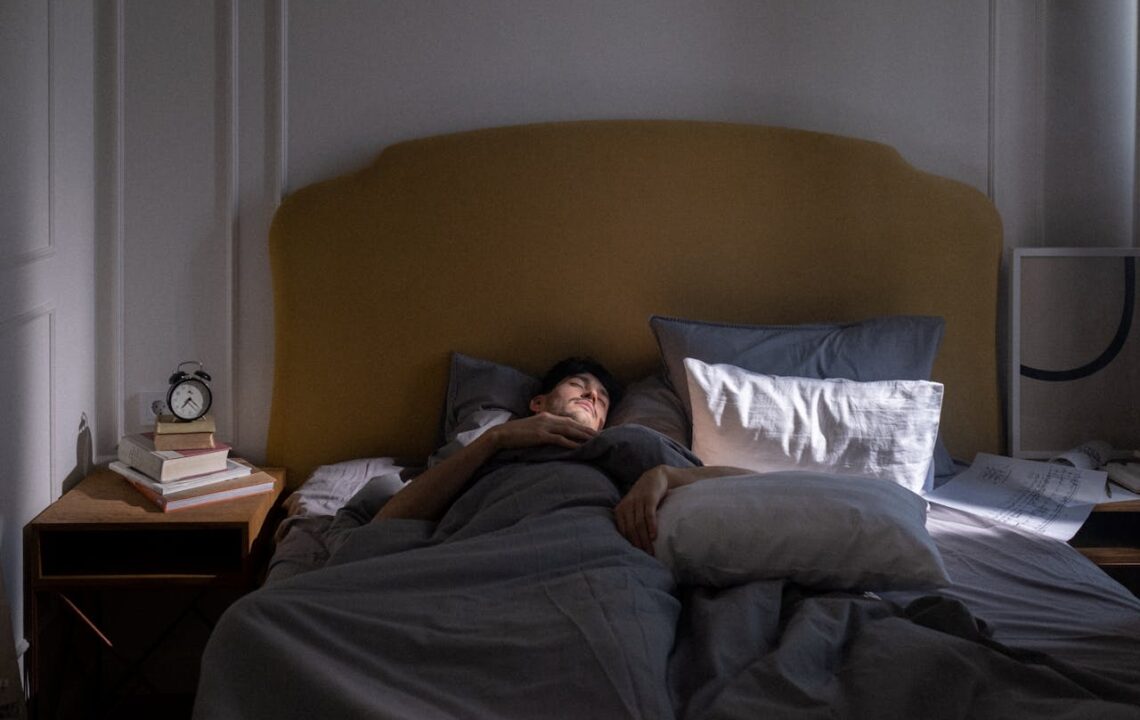
Sudden waking by alarm sound is a shock for the body. Philips Wake-Up Light offers gentle waking through gradual light intensity increase imitating natural sunrise over 30 minutes. The technology supports circadian rhythm and cortisol production released at dawn. See how the device wakes without stress!
Key facts about Philips Wake-Up Light:
- Sunrise simulation over 30 minutes gradually wakes the body without stress
- Clinical research confirms improved mood and energy after waking
- Stress cortisol reduction – waking without sudden hormone spike
- Help with seasonal depression by providing missing light in winter
- Sunset function supports falling asleep through gradual dimming
What is Philips Wake-Up Light?
Philips Wake-Up Light is a light alarm clock simulating natural sunrise in the bedroom. The device uses variable intensity and colour LED lights. Gradual brightening starts from warm orange glow transitioning to bright white. The technology imitates natural sunlight changes at dawn.
The device is available in several models differing in functions and light intensity. Basic versions offer 200-300 lux maximum brightness. Advanced models reach 400 lux comparable to a bright summer morning. Each model includes natural sound options like bird songs or wave sounds as additional waking support.
How does sunrise simulation work?
Light entering through eyelids activates photoreceptors in the eye’s retina even whilst you sleep. The signal reaches the suprachiasmatic nucleus – the biological clock in the brain regulating circadian rhythm. Gradual light increase informs the brain that day is coming and it’s time to end melatonin production.
Philips Wake-Up Light operation phases:
- Start 30 minutes before alarm – gentle orange glow imitating dawn
- Gradual brightening – intensity grows mimicking rising sun
- Transition to white light – full spectrum activating alertness
- Optional sound – natural sounds at set alarm time
- Brightness plateau – maintaining maximum light for minutes after alarm
Why is natural waking better for health?
Sudden waking by sound causes cortisol and adrenaline spike – a fight or flight response. The body treats the alarm as a threat triggering stress response. Repeated daily it leads to chronic stress and heart problems.
Natural light waking allows the body to transition through sleep phases gradually. The brain moves from deep sleep to REM then to wakefulness without shock. People following perfect sleep principles gain additional support for nocturnal regeneration. Research shows natural waking improves mood, wellbeing and concentration throughout the day.
How does Philips Wake-Up Light affect circadian rhythm?
Circadian rhythm is the internal biological clock regulating sleep, wakefulness and hormone production. Light is the main rhythm synchroniser – lack of morning light disrupts its function. Wake-Up Light provides a light signal at a fixed time building cycle regularity.
The device supports people living according to your chronotype helping adjust waking to the body’s natural preferences. Night owls can wake more easily in the morning when light gradually prepares the brain. Regular Wake-Up Light use for 2-3 weeks stabilises rhythm improving sleep quality and daytime energy.
Benefits for circadian rhythm:
- Waking time stabilisation – brain learns sleep cycle regularity
- Better melatonin production – evening dimming supports falling asleep
- External rhythm synchronisation – adaptation to work or school hours
- Jet lag reduction – faster adaptation after travel across time zones
Does Wake-Up Light help with seasonal depression?
Seasonal depression is a mood disorder triggered by lack of light in winter months. Short days and cloudy weather lower serotonin production and increase melatonin. Wake-Up Light provides missing light each morning improving mood and energy.
The device doesn’t replace professional phototherapy offering 10000 lux for 30 minutes. But daily natural waking supports seasonal depression treatment as part of comprehensive therapy. People sensitive to winter blues gain regular light doses at the critical time of day.
What functions does Philips Wake-Up Light offer?
Wake-Up Light isn’t just a light alarm clock. The device offers a sunset function – gradual light dimming supporting falling asleep. FM radio allows waking to your favourite station. Some models have a motion sensor activating gentle night lighting.
Main device functions:
- Sunrise simulation – 20 or 30 minutes of gradual brightening
- Sunset simulation – light dimming before sleep
- Sound selection – bird songs, wave sounds, gongs, FM radio
- Brightness adjustment – adapting maximum intensity to preferences
- Night light – gentle illumination at night
- Snooze function – additional 9 minutes of sleep after touching device
Who is Philips Wake-Up Light for?
Wake-Up Light works for anyone who struggles to wake in the morning or experiences winter fatigue. Particularly useful for people working hours when it’s still dark outside. People suffering from circadian rhythm disorders gain a tool synchronising their internal clock.
Parents of young children can set the device as a morning waking signal without loud alarm waking the whole family. People sensitive to blue light in the evening can use sunset as part of sleep hygiene. Wake-Up Light is a solution for everyone wanting to improve morning quality and mood throughout the day.
How to set Philips Wake-Up Light for best results?
Place the device 40-50 cm from your head at eye level in lying position. Light must fall directly on your face – too far or blocked won’t work. Start with setting 30 minutes before planned waking time and adjust if you need longer simulation.
Choose maximum brightness appropriate for your bedroom – too weak won’t wake, too strong may glare. Test for a week and adjust settings. Use sunset function in the evening 30-60 minutes before sleep creating a full ritual light cycle.
Is it worth replacing a regular alarm with Wake-Up Light?
Philips Wake-Up Light costs £50-150 depending on the model. It’s an investment in better mornings and circadian rhythm health. For people suffering from waking difficulties, winter blues or sleep disorders, the value lies in daily wellbeing and energy improvement. The device serves for years without operating costs.
FAQ: Most frequently asked questions about Philips Wake-Up Light
How much does Philips Wake-Up Light cost?
Philips Wake-Up Light costs from £50 to £150 depending on model and functions, available in electronics shops and online.
Does Wake-Up Light work in summer when it’s already bright?
Wake-Up Light works in summer too, providing controlled light at a fixed time regardless of natural dawn outside the window.
How loud is the sound in Philips Wake-Up Light?
Sound is adjustable and can be completely turned off waking only with light, maximum volume is sufficient but not excessively loud.
References:
1. Gabel, V., et al. (2013). Effects of artificial dawn and morning blue light on daytime cognitive performance. Sleep Medicine. https://doi.org/10.1016/j.sleep.2013.08.786
2. Giménez, M. C., et al. (2010). Effects of artificial dawn on subjective ratings of sleep inertia and dim light melatonin onset. Chronobiology International. https://doi.org/10.3109/07420528.2010.496912