

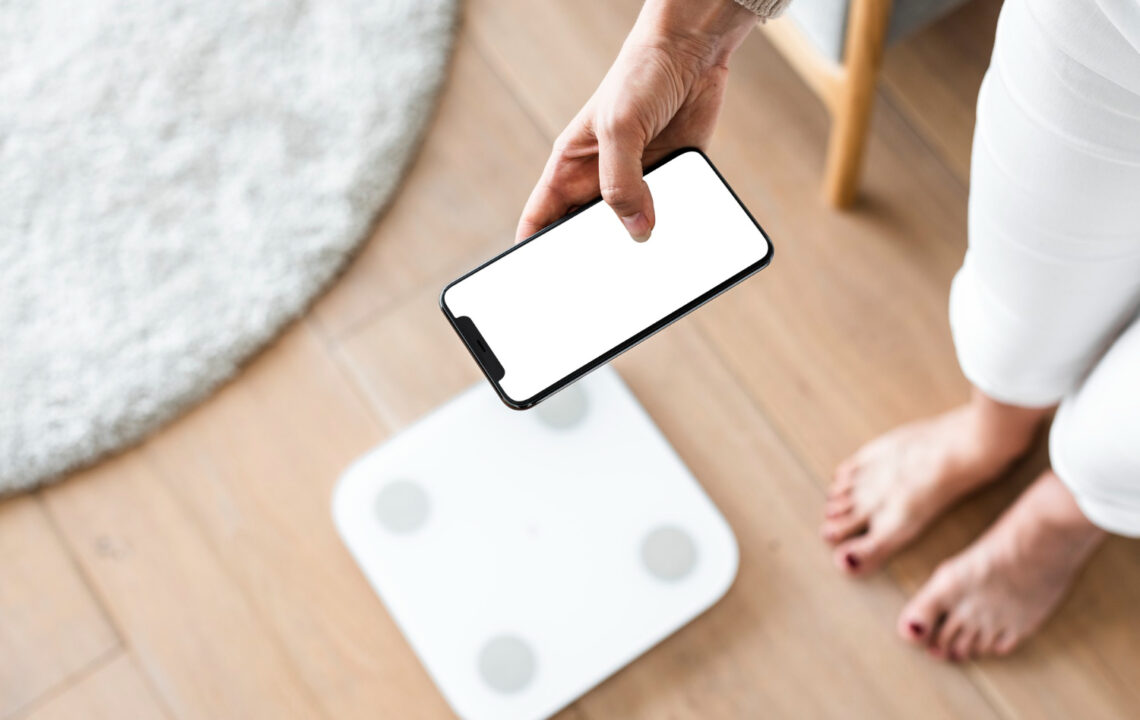
A regular scale shows only weight – it says nothing about what’s hidden beneath the skin. Withings Body Scan is a medical device measuring body composition, vascular age and nerve activity in one step. The device detects early heart problem signals through ECG measurement and pulse wave velocity. See data that regular scales can’t provide!
Key facts about Withings Body Scan:
- ECG measurement detects arrhythmias and early heart rhythm problems
- Vascular age determines actual arterial condition regardless of chronological age
- Segmental composition analysis – separately for torso, legs and arms
- Clinical research confirms accuracy comparable to hospital devices
- Nerve activity monitors nervous system health through conduction velocity
What is Withings Body Scan?
Withings Body Scan is a smart scale analysing over 15 health parameters in one measurement. The device uses four electrodes in the platform and a handle with additional hand electrodes. Measurement takes about 90 seconds and provides data on weight, body composition, heart health and nervous system.
The scale combines bioimpedance with electrocardiography and oscillometry. Technology developed in collaboration with cardiologists allows detecting atrial fibrillation – the most common arrhythmia increasing stroke risk fivefold. Data synchronises with the Health Mate app showing trends and warnings about concerning changes.
What parameters does Withings Body Scan measure?
Body Scan analyses weight, fat tissue percentage, muscle mass, bone mass and body hydration level. The device measures body composition separately for each limb and torso detecting asymmetries that may indicate problems. Visceral fat – the most dangerous for health – is measured through an algorithm using abdominal impedance.
Key parameters measured by Body Scan:
- Weight and BMI – basic body mass indicators
- Fat tissue percentage – total fat and distribution in body segments
- Muscle mass – amount of muscle tissue in legs, arms and torso
- Visceral fat – dangerous fat around internal organs
- Bone mass – skeletal mineral density
- Hydration level – percentage of water in the body
- Basal metabolism – calories burned at rest
How does the scale analyse body composition?
Bioimpedance involves passing a weak electrical current through the body. Different tissues conduct current at different speeds – muscles better than fat due to water content. The device measures resistance and calculates body composition based on algorithms.
Body Scan uses segmental bioimpedance – separate measurements for each body part instead of one overall reading. The device analyses right and left leg separately detecting asymmetries indicating injuries. Arms measured separately show uneven muscle development. Torso and abdomen provide data on visceral fat most dangerous for health.
This allows detecting whether you’re losing muscle in legs but building it in arms. Precision matches the DEXA method used in hospitals but available daily at home without radiation. Segmental analysis is Body Scan’s advantage over regular bioimpedance scales offering only overall whole-body measurement.
What is vascular age and why is it important?
Vascular age is the actual arterial condition measured by pulse wave velocity. Stiff, hardened vessels pass the wave faster than elastic, healthy ones. A 40-year-old person can have 60-year-old vessels if they don’t care for heart health. This is a stronger predictor of heart attack risk than biological age calculated by other methods.
Body Scan measures pulse wave velocity during each weighing. The result is compared with norms for given age. Values above normal mean accelerated vessel aging requiring intervention – diet changes, increased activity or cardiology consultation. Regular monitoring shows whether introduced changes improve arterial condition.
Does Withings Body Scan detect heart problems?
Body Scan performs single-lead ECG detecting atrial fibrillation – an often asymptomatic arrhythmia. Undiagnosed fibrillation increases stroke risk fivefold and heart attack risk twofold. The device alerts when it detects irregular rhythm recommending medical consultation.
ECG measurement takes 30 seconds during weighing. Just stand on the scale and hold the handle. The algorithm analyses rhythm and displays result – normal or requiring attention. This doesn’t replace a full cardiology examination but detects early problem signals.
How does Withings Body Scan differ from a regular scale?
A regular scale measures only weight – one parameter saying nothing about health. You can weigh the same but lose muscle and accumulate fat. Body Scan shows what’s happening inside – how much muscle you have, where the fat is, how your heart works. The difference is like between a thermometer and a full blood test.
Withings Body Scan advantages over regular scales:
- Segmental analysis – measurement separately for each body part instead of overall result
- ECG and vascular age – heart parameters unavailable in any other home scale
- Asymmetry detection – identification of inequalities between right and left body side
- Visceral fat – measurement of most dangerous fat around organs
- Trends and predictions – app shows changes over time and predicts development
Who is Withings Body Scan for?
Body Scan works for anyone treating health seriously and wanting objective data. Particularly useful for people over 40 when heart disease risk increases. Athletes gain precise information about muscle building and regeneration. People losing weight see whether they’re losing fat or muscle.
People with heart disease risk – hypertension, diabetes or family history of heart attacks – can monitor parameters daily. This is particularly important for aging well when early problem detection allows avoiding serious conditions. Body Scan is a tool for everyone wanting to know what’s happening in the body before symptoms appear.
How often to use Withings Body Scan?
Optimally weighing once daily in the morning after waking before eating. Regularity allows detecting changes and building reliable trends. The body weighs differently throughout the day so fixed measurement time eliminates variability.
Optimal Body Scan usage rules:
- Fixed measurement time – daily at the same time in the morning before breakfast
- Bare feet – electrodes require direct skin contact
- Full analysis once weekly – quick weighing daily, ECG and composition every 7 days
- Trend monitoring – observe changes over time instead of single measurements
You don’t need to do a full measurement every day. Quick weighing takes 10 seconds – just stand on the scale. Full analysis with ECG and segmental composition once a week provides detailed data without excessive obsession.
Is it worth investing in a smart scale?
Withings Body Scan costs around £350 – it’s the most expensive consumer scale on the market. But compare with costs of DEXA scans, ECG and cardiology consultations you’d need to do separately. The device provides this data daily for years without additional fees. For people monitoring heart health, body composition or regeneration, it’s an investment paying off through early problem detection and motivation for changes.
FAQ: Most frequently asked questions about Withings Body Scan
How much does Withings Body Scan cost?
Withings Body Scan costs around £350 and is available in the official Withings shop and selected medical device retailers.
Can Withings Body Scan be used with other apps?
Body Scan synchronises data with Apple Health, Google Fit and many fitness apps allowing integration of measurements with comprehensive health monitoring.
Who shouldn’t use Withings Body Scan?
People with pacemakers or other implantable electronic devices shouldn’t use Body Scan due to electrical bioimpedance.
How accurate are Withings Body Scan measurements?
Clinical studies show body composition measurement accuracy at 95% agreement with DEXA method and ECG achieves sensitivity comparable to hospital devices.
References:
1. Laukkanen, J. A., et al. (2021). Accuracy of bioelectrical impedance analysis in body composition measurement. Journal of Clinical Medicine. https://doi.org/10.3390/jcm10153301