

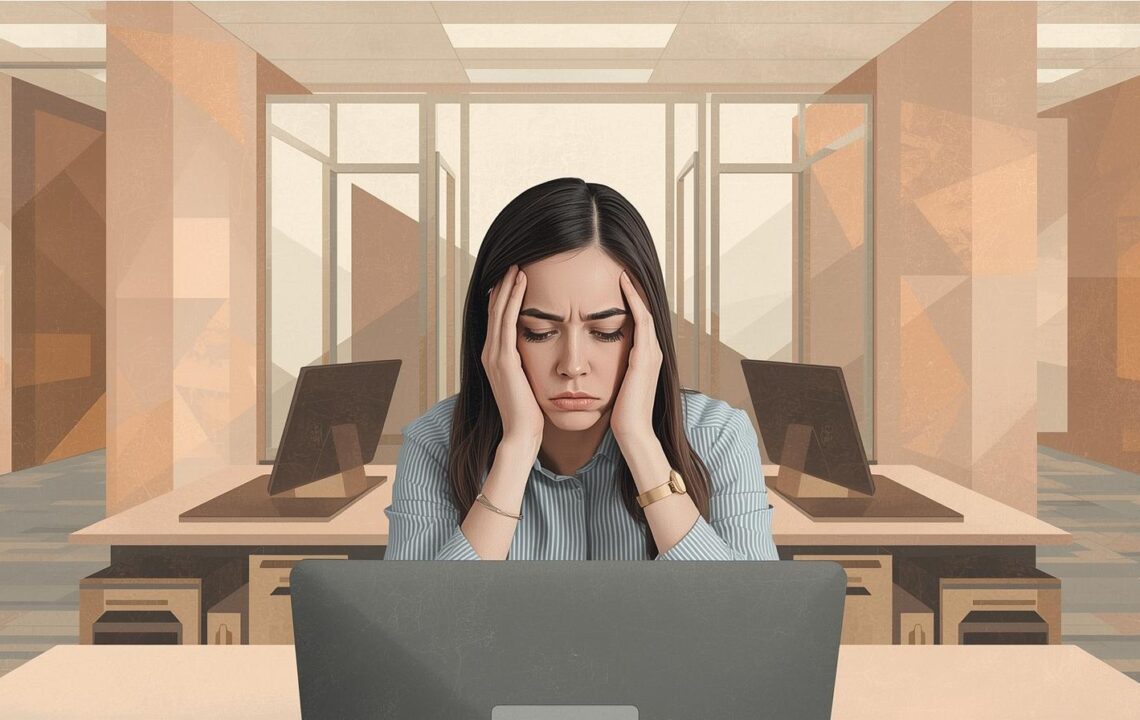
The answer may surprise you: stress can be both a friend and an enemy. How it affects your health depends mainly on three things: how long it lasts, how you perceive it, and how intense it is.
Key Information:
- Good stress exists: Short-term stress improves performance and builds resilience
- Your thinking matters: How you perceive stress can be more important than the stress itself
- Hormesis works: Moderate stress (like exercise) strengthens the body
- Chronic stress destroys: Long-term stress leads to disease and shortens life
Does Good Stress Really Exist? Stress as a Friend
Research shows that not all stress is bad. Scientists discovered that among youth in India, there’s a strong positive correlation between so-called ,,eustress” (good stress) and mental health. This means that moderate stress can improve your well-being.
Short-term stress – lasting minutes to hours – is a natural survival mechanism. It triggers the ,,fight or flight” response, which increases your performance and protection in situations requiring action.
Hormesis – The Secret of Longevity
The phenomenon called hormesis is your body’s response to small doses of stress. It works like a vaccine – a small challenge strengthens your natural defense mechanisms.
Examples of hormetic stress:
- Physical exercise – stress for muscles that strengthens them
- Sauna and cold showers – thermal stress improving adaptation
- Intermittent fasting – mild metabolic stress
These small ,,shocks” to the body activate DNA repair, protection against oxidative stress, and improve mitochondrial function.
The Key Role of Your Thinking – Your Beliefs Shape Reality
This is one of the most fascinating discoveries in stress science: the way you perceive stress can be more important than the stress itself.
Research on ,stress mindset” shows that people who treat stress as something strengthening achieve better health and performance outcomes than those who see it only as a threat.
Moreover, studies have shown that people convinced of stress’s harmfulness to health – regardless of actual stress levels – have an increased risk of heart disease. The very belief that stress harms you can be more destructive than the stress itself.
The Art of Changing Perspective
A technique called ,cognitive reappraisal” involves positively reinterpreting stressful situations. Instead of thinking ,,this is too much for me,” you think ,,this is an opportunity for growth.”
People able to reinterpret stress as a challenge (not a threat) show:
- Better emotional control
- Greater psychological resilience
- Better health indicators
This doesn’t mean you have to pretend everything is OK. It’s about a realistic but constructive view of difficult situations.
When Does Stress Become Dangerous? Stress as an Enemy
When stress lasts days, weeks, or months – that’s when the problem begins. Chronic stress destroys health on many levels:
Biological effects:
- Disruptions in the hypothalamic-pituitary-adrenal axis
- Problems with cortisol (stress hormone)
- Dysregulation of the nervous system
- Changes in gene expression
Diseases associated with chronic stress:
- Heart disease and hypertension
- Depression and anxiety
- Autoimmune disorders
- Chronic pain
- Accelerated aging
- Certain types of cancer
During the COVID-19 pandemic, the global prevalence of anxiety and depression increased by 25% – mainly due to chronic stress from social isolation. This shows how powerful an impact long-term stress has on mental health.
Three Types of Stress
Modern science divides stress into three categories:
1. Sustress (too little stress)
- Boredom and lack of motivation
- Decreased performance
- Feeling of meaninglessness
2. Eustress (good stress)
- Optimal activation level
- Improves performance
- Builds resilience
- Motivates action
3. Distress (bad stress)
- Chronic or too intense
- Leads to diseases
- Destroys mental health
- Accelerates aging
You need the right dose of stress – neither too much nor too little.
How to Use Stress to Your Advantage?
It’s not about eliminating stress from life – that would be impossible and inadvisable. It’s about changing your relationship with it. It’s worth learning to recognize body signals, understanding when stress motivates and when it overwhelms. Breathing techniques, mindfulness, regular physical activity, and ensuring adequate sleep are helpful. Equally important is building a support network and sharing your concerns with others.
Also crucial is asking yourself: ,,What is this stress teaching me?” Every stressful situation carries development potential – it teaches us resilience, shows our true priorities, forces creative thinking.
Change Your Thinking
Practice positive interpretation. When a stressful situation appears, ask yourself:
- What can I learn from this?
- How can this strengthen me?
- What opportunities do I see in this?
People with a ,,stress strengthens” mindset cope much better than those thinking ,,stress destroys.”
Is Stress Good or Bad? Summary
Stress is neither completely good nor completely bad. It’s a tool that can strengthen or destroy you – everything depends on how you use it.
Remember:
- Short stress = friend (improves performance, builds resilience)
- Chronic stress = enemy (destroys health, shortens life)
- Your thinking matters enormously (perception of stress shapes its impact)
- Hormesis is your ally (small doses of stress strengthen you)
- Recovery is key (stress + rest = growth)
Don’t try to eliminate stress completely – it’s impossible and unhealthy. Instead, learn to use it. Treat challenges as opportunities for growth, take care of recovery, and consciously build resilience through hormetic stress.
Your body evolved over millions of years to cope with stress. Give it the right conditions – and it will become your ally in building health and longevity.
FAQ – Most Common Questions About Stress
Is all stress bad?
No! Short-term stress (minutes to hours) is natural and beneficial – it improves performance and builds resilience. The problem appears when stress becomes chronic (days, weeks, months). You need an optimal dose of stress – neither too much nor too little.
How can I change my reaction to stress?
Most important is changing how you think about stress. Instead of perceiving it as a threat, treat it as a challenge and opportunity for growth. This simple perspective shift significantly improves your health outcomes. Remember: your belief about stress can be more important than the stress itself.
Can you ,,train” stress resilience?
Yes! That’s exactly how hormesis works. By consciously introducing controlled small doses of stress (exercise, sauna, cold showers, stepping out of your comfort zone), you build the body’s defense mechanisms. It’s like a vaccine – a small challenge strengthens you for the future.
How do I recognize that my stress has become dangerous?
Warning signs of chronic stress include: constant fatigue, sleep problems, irritability, difficulty concentrating, frequent illnesses, headaches, stomach problems, and loss of joy from things that once brought pleasure. If this lasts longer than a few weeks, you need lifestyle changes or specialist help.
References:
- Sharma, R., & Grover, V. L. (2024). Exploring the link between eustress and adolescent health in India: An empirical study. Journal of Education and Health Promotion, 13, Article 277. https://doi.org/10.4103/jehp.jehp_1870_23
- World Health Organization. (2022, March 2). COVID-19 pandemic triggers 25% increase in prevalence of anxiety and depression worldwide. https://www.who.int/news/item/02-03-2022-covid-19-pandemic-triggers-25-increase-in-prevalence-of-anxiety-and-depression-worldwide
- Lu, S., Wei, F., & Li, G. (2021). The evolution of the concept of stress and the framework of the stress system. Cell Stress and Chaperones, 5(6). https://doi.org/10.15698/cst2021.06.250
- Crum, A. J., Salovey, P., & Achor, S. (2013). Rethinking stress: The role of mindsets in determining the stress response. Journal of Personality and Social Psychology, 104(4). https://doi.org/10.1037/a0031201
- Bosshard, M., Schmitz, F. M., Guttormsen, S., Nater, U. M., Gomez, P., & Berendonk, C. (2024). Effectiveness of stress arousal reappraisal and stress-is-enhancing mindset interventions on task performance outcomes: A meta-analysis of randomized controlled trials. Scientific Reports, 14(1), Article 7923. https://doi.org/10.1038/s41598-024-58408-w