
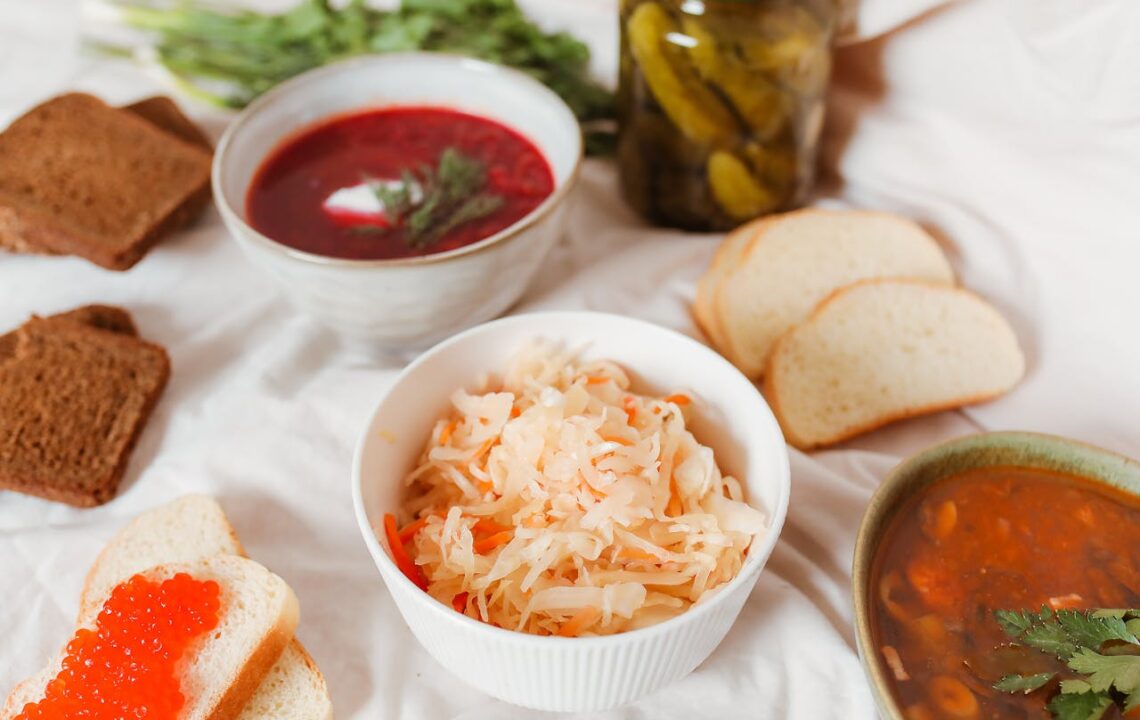
Sauerkraut in Poland, kimchi in Korea, miso in Japan, kefir in the Caucasus. For thousands of years, people have fermented food, building healthy guts without knowing about the microbiome. Today we know that these simple products create live bacterial cultures protecting against disease. Learn how to introduce fermented food into your diet!
Key facts about fermented products:
- Fermented food provides live probiotics supporting gut flora
- Regular consumption reduces inflammation throughout the body
- Fermentation increases bioavailability of nutrients from food
- People in Blue Zones eat fermented products daily
- A healthy microbiome supports immunity and mental health
What are fermented products?
Fermentation is a natural process where bacteria, yeasts, or fungi transform food components. Microorganisms break down sugars and starch, creating organic acids, enzymes, and probiotics. The result is a characteristic sour taste and extended shelf life.
Fermented products are divided into those with live bacterial cultures and those pasteurised. Only unpasteurised food provides live probiotics. Pasteurisation kills bacteria, so products lose key health benefits.
How does fermentation affect the gut microbiome?
The gut microbiome is a community of trillions of bacteria, fungi, and viruses living in the digestive system. Healthy gut flora protects against pathogens, produces vitamins, and regulates immune response. Fermented food provides live probiotic bacteria that colonise the gut and strengthen beneficial species. Research conducted at Stanford University showed that a diet rich in fermented products increases microbiota diversity and lowers inflammatory markers.
Impact of fermented products on the microbiome:
- Increase diversity of gut bacteria
- Strengthen intestinal barrier and protect against leaking
- Produce short-chain fatty acids supporting health
- Regulate immune response and reduce allergies
- Improve digestion of lactose and plant proteins
Which fermented products are healthiest?
The healthiest are unpasteurised products without added sugar and artificial preservatives. Pickled vegetables without vinegar, kefir with live cultures, unfiltered kombucha, tempeh, and miso are the best sources of probiotics.
How does fermented food support immunity?
About 70% of immune cells are located in the gut. The microbiome is the first line of defence against pathogens – healthy bacteria compete with disease-causing ones for space and nutrients. Fermented food provides probiotics that activate immune cells and regulate inflammatory cytokine production.
Dr Erica Sonnenburg from Stanford University emphasises that gut microbiota diversity is key to strong immunity – the more different bacterial species, the better protection against infections and autoimmune diseases. The longevity diet always includes fermented products as a foundation of health.
Mechanisms of immunity support by fermented products:
- Activate T lymphocytes and strengthen cellular response
- Produce IgA antibodies protecting mucous membranes
- Regulate inflammatory cytokines and reduce excessive immune reactions
- Protect against intestinal infections and pathogen colonisation
- Support immune system during stress and after antibiotics
How many fermented products should you eat every day?
One to two servings daily are sufficient – 100-150 grams of sauerkraut, a glass of kefir, or a tablespoon of miso in soup. Regular, small amounts work better than occasional large portions. People living 100 years eat fermented products daily in small amounts with main meals.
What fermented products do people eat in longevity zones?
In every longevity culture, fermented food is a constant dietary element. For Okinawa, it’s miso, natto, and tsukemono – pickled vegetables. In Sardinia, pecorino cheese with live cultures. For Loma Linda, tempeh and pickled vegetables. Greeks eat natural yoghurt with local probiotic bacteria.
Fermented products in longevity cultures:
- Miso – fermented soy paste, basis of Japanese soup
- Natto – fermented whole soybeans, rich in vitamin K2
- Kimchi – Korean pickled vegetables with spicy seasonings
- Kefir – fermented milk drink from the Caucasus
- Natural yoghurt – Greek yoghurt with live bacterial cultures
- Tempeh – fermented soybeans in cake form
How to introduce fermented products into daily diet?
Start slowly – sudden introduction of large amounts can cause bloating and discomfort. Add a tablespoon of sauerkraut to salad, drink half a glass of kefir in the morning, use miso in soup. After a week, increase portions. The gut needs time to adapt to new bacteria. Introduce variety – different products provide different probiotic strains, which builds a stronger microbiome. The Mediterranean diet easily combines fermented food with daily meals.
FAQ: Most frequently asked questions about fermented products
Can fermented products be eaten every day?
Yes, daily consumption of small portions of fermented products is safe and recommended for maintaining a healthy gut microbiome.
Who should not eat fermented products?
People with weakened immune systems, after transplants, or with SIBO should consult their diet with a doctor before introducing fermented products.
Is natural yoghurt a fermented product?
Yes, natural yoghurt is a fermented product, but only unpasteurised versions with live bacterial cultures provide probiotics supporting the microbiome.
References:
1. Wastyk, H. C., et al. (2021). Gut-microbiota-targeted diets modulate human immune status. Cell. https://doi.org/10.1016/j.cell.2021.06.019
2. Marco, M. L., et al. (2017). Health benefits of fermented foods: microbiota and beyond. Current Opinion in Biotechnology. https://doi.org/10.1016/j.copbio.2016.11.010
3. Sonnenburg, E. D., et al. (2016). Diet-induced extinctions in the gut microbiota compound over generations. Nature. https://doi.org/10.1038/nature16504