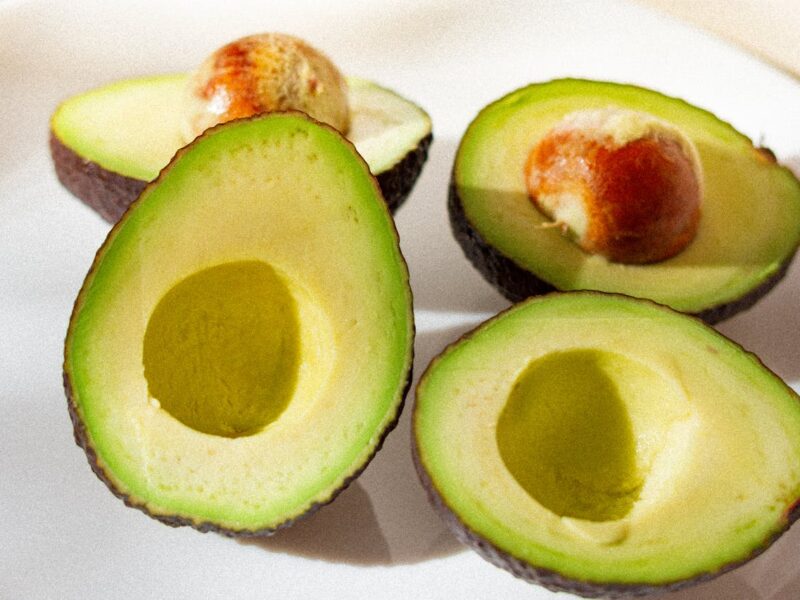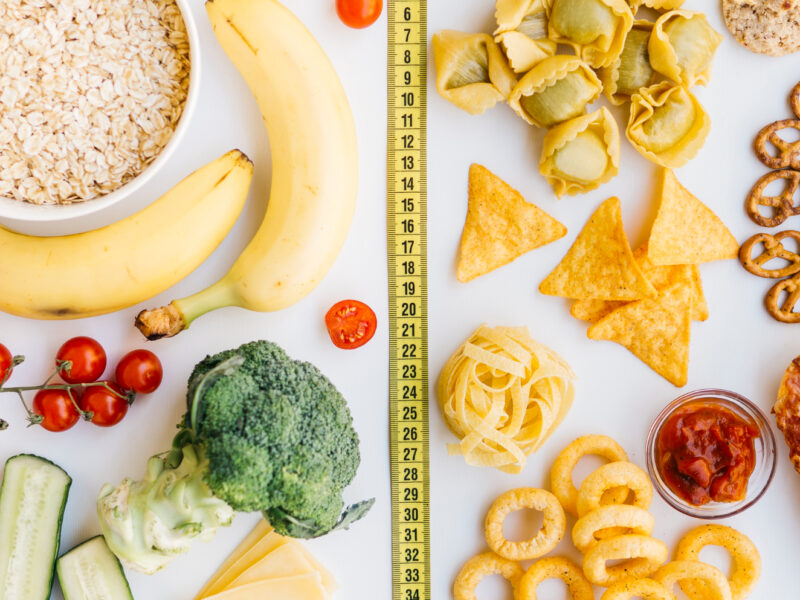


A Japanese centenarian from Okinawa eats tofu, fish, and seaweed. Sardinian shepherd has olive oil, legumes, and nuts. Norwegian spends life outdoors and eats salmon several times a week. These seemingly different diets share one thing: they give the brain exactly what it needs to function well throughout life. A brain diet isn’t a passing trend – it’s a strategy backed by data from the world’s longest-lived populations. Find out what to eat to truly protect your memory and concentration!
Key facts about the brain diet:
- Omega-3 fatty acids build the membranes of nerve cells and protect against neurodegeneration
- Antioxidants from berries and vegetables neutralise free radicals that damage neurons
- Ultra-processed food increases the risk of cognitive decline by 28%
- Diet affects the brain through the gut – the gut-brain axis is a key communication pathway
- Dietary changes become visible in the brain within 12 weeks of consistent new habits
Why does the brain need the right diet?
The brain makes up just 2% of body weight, yet it consumes 20% of the energy we get from food. Every nerve cell – a neuron – needs a constant supply of glucose, oxygen, and micronutrients to function correctly. Without the right nutrients, nerve signals slow down, connections between neurons weaken, and memory and concentration deteriorate noticeably.
What sets the brain apart from other organs:
- Protective barriers – the blood-brain barrier only allows certain substances through, so diet quality directly determines what reaches the brain
- High fat requirements – 60% of the brain’s dry mass is fat, primarily polyunsaturated fatty acids
- Dependence on micronutrients – magnesium, zinc, B vitamins, and vitamin D all regulate synaptic function
- Vulnerability to oxidative stress – neurons consume large amounts of oxygen and are particularly susceptible to free-radical damage
- Diet-dependent plasticity – neuroplasticity, the brain’s ability to form new connections, requires the right building blocks from food
Nutrients that support brain function
The brain works best when it receives regular supplies of several key substances. This isn’t about megadose supplements but about the daily presence of specific compounds in the diet. A deficiency in even one of them shows up quickly – as fatigue, difficulty concentrating, or impaired short-term memory.
How do omega-3 fatty acids affect the brain?
Omega-3 fatty acids – particularly DHA (docosahexaenoic acid) – make up as much as 40% of fatty acids in the cerebral cortex. They’re the literal building material of neuronal membranes, and their quality determines how efficiently signals pass between nerve cells. DHA deficiency is associated with accelerated hippocampal shrinkage – the brain region responsible for memory.
The best omega-3 sources for the brain:
- Oily sea fish – salmon, mackerel, herring, sardines (2-3 portions per week)
- Walnuts – the only nuts with a high content of ALA (alpha-linolenic acid)
- Flaxseed and chia seeds – plant-based omega-3 sources for those who avoid fish
- Marine algae – a direct source of DHA and EPA (the second key omega-3 fatty acid), ideal for vegans
Why do antioxidants protect nerve cells?
Antioxidants neutralise free radicals – the reactive molecules that neurons produce in large quantities during metabolism. Without this protection, neuronal proteins, cell membranes, and DNA are all vulnerable to damage. Oxidative stress in the brain is one of the key mechanisms driving neurodegenerative diseases, including Alzheimer’s.
Antioxidants that matter most for the brain:
- Anthocyanins from berries – plant pigments with antioxidant properties: blueberries, chokeberries, blackcurrants (they cross the blood-brain barrier)
- Flavonoids from dark chocolate – polyphenols that improve cerebral blood flow by 8% after a single dose
- Vitamin E from nuts and oils – protects the lipid membranes of neurons
- Polyphenols from olive oil – anti-inflammatory and neuroprotective effects
- Curcumin from turmeric – a yellow anti-inflammatory pigment that inhibits the aggregation of beta-amyloid proteins linked to Alzheimer’s
Which foods support memory and concentration?
Leafy greens, berries, oily fish, and nuts – these four food groups have the strongest body of evidence for protecting cognitive function. A Harvard Medical School study following 28,000 women over 20 years found that those who ate the largest quantities of leafy greens had brains functioning like those of women 11 years younger.
Leafy greens – spinach, kale, rocket – are a genuine pharmacy for neurons. They contain folates (vitamin B9) that lower homocysteine levels, vitamin K that supports the protective sheath around neurons, and lutein that guards against oxidative stress. It’s also worth incorporating the eating patterns of Mediterranean diets, which consistently lower the risk of cognitive decline.
What to avoid to protect the brain
While certain foods nourish and protect neurons, others actively harm them. A meta-analysis published in JAMA Neurology in 2022 found that people eating large quantities of ultra-processed food face a 28% higher risk of cognitive impairment compared with those on a minimally processed diet. The brain is particularly sensitive to the chronic inflammation that such a diet promotes.
Foods the brain doesn’t tolerate well:
- Ultra-processed food – fast food, crisps, ready meals (drives chronic inflammation in the brain)
- Sugar and high-fructose corn syrup – glucose spikes disrupt normal neuronal function
- Trans fats – hydrogenated margarines and frying oils (linked to vascular dementia)
- Alcohol in excess – even 14 units weekly reduces white matter volume in the brain
- Excess salt – raises blood pressure, restricting the flow of blood to the brain
How does diet affect the brain as we age?
Brain ageing begins earlier than most people realise – the first structural changes appear after the age of 30. Brain loses roughly 0.5% of its volume each year, and the pace of that process depends significantly on lifestyle and diet. The five-year PREDIMED trial, involving 522 participants, found that a Mediterranean diet enriched with nuts or olive oil improved cognitive test scores compared with a low-fat diet. Dietary decisions you make today protect your brain 20 and 30 years from now.
Age also shifts the brain’s nutritional needs. After 60, absorption of vitamin B12 – essential for maintaining the myelin sheath around neurons – declines. Requirements for protein (critical for neurotransmitter synthesis) and vitamin D (which regulates the expression of neuroprotective genes) increase. These changes are worth accounting for when planning meals – detailed strategies are outlined in the article on the adaptive diet across different life stages.
“A brain that has been well nourished for years has a much greater cognitive reserve – the capacity to compensate for the losses that inevitably come with age,” explains Dr Martha Clare Morris, professor of nutritional epidemiology at Rush University Medical Center and creator of the MIND diet, designed specifically to support brain health.
What to eat throughout the week to support the brain
A seven-day brain-supporting meal plan centres on daily leafy greens, berries, and olive oil – with oily fish and legumes appearing several times a week. A practical weekly pattern looks like this:
Brain-healthy meal plan – how often:
- Daily – a handful of leafy greens, one portion of berries, olive oil for cooking
- 5-6 times a week – vegetables of various colours, a handful of nuts, whole grains (oats, quinoa, rye)
- 2-3 times a week – oily sea fish (salmon, mackerel, sardines), legumes (lentils, beans, chickpeas)
- 1-2 times a week – poultry, eggs (rich in choline, which supports memory)
- Keep to a minimum – red meat (at most once weekly), sweets, and processed food
Where to begin changing your diet for brain health
Every significant change starts with one small step. Rather than overhauling your entire plate at once, introduce one rule per week: in the first week, add a handful of spinach to a daily meal; the next week, replace a packet of crisps with a handful of walnuts; in the third week, swap one meat-based lunch for fish. Changes stack up gradually, and the brain responds to them relatively quickly – the first effects, in the form of better concentration and more mental energy, appear within a few weeks. People in longevity hotspots do not eat complicated diets. They eat real food and they do it consistently.
FAQ: Most frequently asked questions about the brain diet
Do supplements improve memory?
Supplements can address specific deficiencies (such as omega-3, vitamin B12, or vitamin D), but they don’t replace a balanced diet – the effects of supplementation without proper nutrition are far smaller than those from changing eating habits.
How much fish do you need to eat to support brain function?
Two to three portions of oily sea fish per week (around 150 g each) provides enough DHA and EPA to maintain optimal levels of these fatty acids in brain tissue.
Is coffee good for the brain?
Moderate coffee consumption – 3-4 cups daily – is associated with a 27% lower risk of Alzheimer’s disease, likely due to the combined effects of caffeine and polyphenols found in the beans.
References:
- Morris, M.C., et al. (2015). MIND diet associated with reduced incidence of Alzheimer’s disease. Alzheimer’s & Dementia. https://doi.org/10.1016/j.jalz.2014.11.009
- Martínez-Lapiscina, E.H., et al. (2013). Mediterranean diet improves cognition: the PREDIMED-NAVARRA randomised trial. Journal of Neurology, Neurosurgery & Psychiatry. https://doi.org/10.1136/jnnp-2012-304792