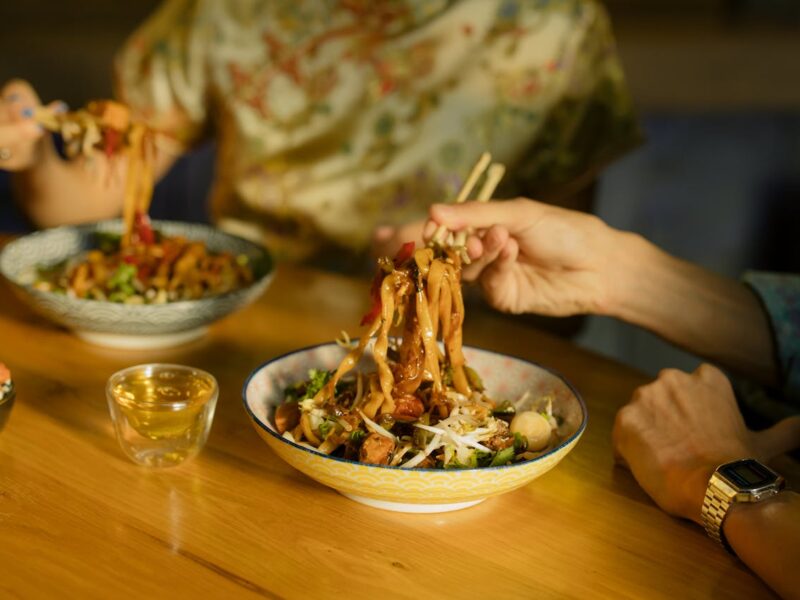

Sardinian shepherds live to 100 eating pecorino cheese and drinking local wine. Greek fishermen from Ikaria don’t know dementia. Italian centenarians from Calabria still pick tomatoes in their gardens. For decades, scientists searched for a magic pill, whilst the answer lay on these people’s plates – olive oil, vegetables, fish, a shared table. Discover what makes Mediterranean people live longer and healthier than the rest of Europe!
Why do southern Europeans live the longest?
Sardinia, Ikaria, the Nicoya Peninsula – these regions belong to the so–called Blue Zones, where centenarians are proportionally most common in the world. Researchers spent decades looking for a genetic explanation, but genes account for only 20–25% of lifespan. The rest comes down to lifestyle, with food at its centre. Residents of these regions don’t follow diets – they simply eat the way their grandparents did.
The key isn’t a single product or supplement. It’s the dietary pattern as a whole – the combination of ingredients, proportions, preparation methods, and social context of meals. Scientists from Harvard University analysed data from over 25,000 women and found that strict adherence to the Mediterranean diet extends life by an average of 4.5 years.
Foundations of the Mediterranean diet
Traditional Mediterranean cuisine is built on what grows locally and is available seasonally. There’s no room for processed food or ready meals. Vegetables form the base of every meal – tomatoes, aubergines, peppers, courgettes, spinach, rocket. Add legumes several times a week – chickpeas, beans, lentils. Meat rarely appears and in small amounts.
Core elements of the daily menu:
- Extra virgin olive oil as the main fat source
- Fresh vegetables and fruit with every meal
- Wholegrain bread and grains instead of white flour
- Fish and seafood 2–3 times weekly
- Nuts, almonds, and seeds as snacks
The role of healthy fats and antioxidants in the diet
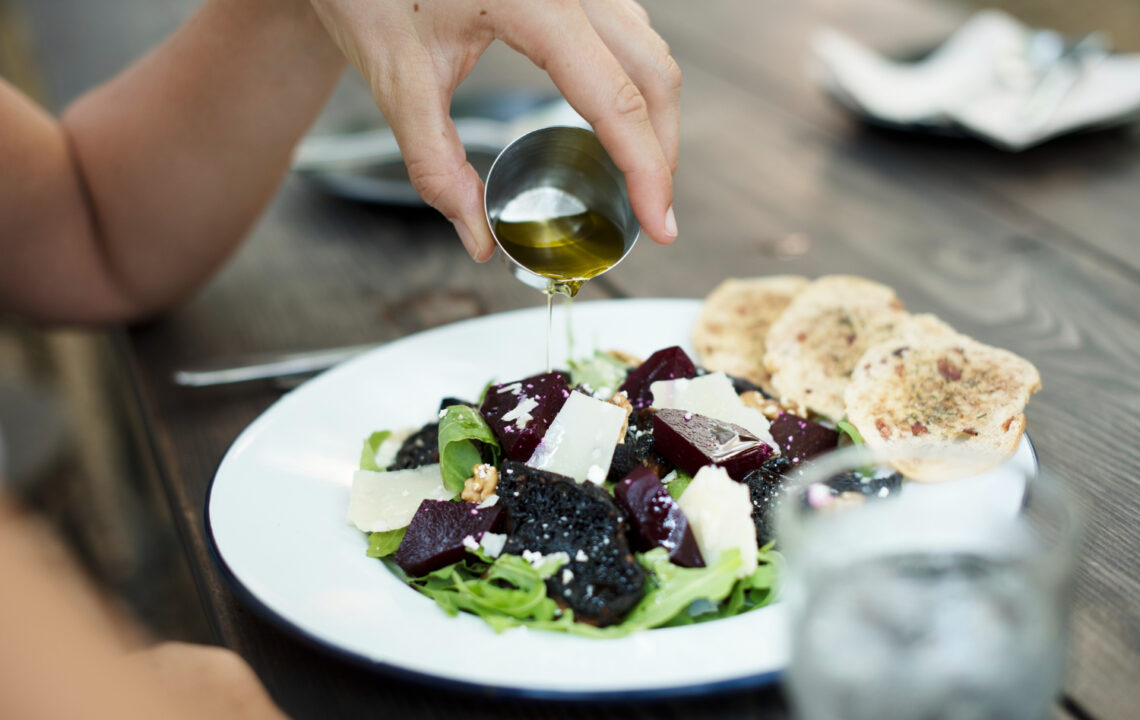
Residents of Crete consume up to 60 ml of olive oil daily – an amount that seems excessive in other cultures. Yet it’s precisely these monounsaturated fats from olive oil that protect the heart and blood vessels. Oleic acid lowers LDL cholesterol, whilst polyphenols – particularly oleocanthal – have anti-inflammatory effects. Studies show that oleocanthal works similarly to ibuprofen.
Antioxidants in the Mediterranean diet come mainly from vegetables, fruits, and red wine. Lycopene from tomatoes, resveratrol from grapes, anthocyanins from aubergines and red onions neutralise free radicals. These compounds slow oxidative stress – one of the main mechanisms of cellular aging.
What are the eating habits of centenarians?
Centenarians from longevity regions eat surprisingly little. Their meals are modest, based on a few simple ingredients. On Ikaria, the day starts with herbal tea and bread with olive oil. Lunch is usually vegetable or legume soup. Dinner is light, often meatless. Meat appears during holidays and family celebrations, not every day.
Common features of centenarian diets:
- Small portions spread across 3–4 meals
- Legumes as the main protein source
- Minimal sugar and sweets
- Local, seasonal produce
- Shared meals with family
The impact of moderation in eating on biological processes and health
Eating until full burdens the body – digestion requires energy, insulin spikes, cells have no time for regeneration. Centenarians instinctively follow what scientists call caloric restriction. They don’t starve themselves but eat less than the average person in developed countries. Studies on animal models consistently show that moderate calorie restriction extends life by 20–40%.
In practice, this means smaller plates, slower eating, and no snacking between meals. On Okinawa, they say “hara hachi bu” – eat to 80% fullness. This signals to the body that it needn’t store excess energy as fat but can focus on cellular repair and renewal.
Calorie intake and the aging process
Excess calories accelerate ageing at the cellular level. High blood glucose leads to protein glycation – a process where sugar “sticks” to proteins and impairs their function. This is one mechanism behind wrinkles, vessel stiffening, and declining kidney function. Fewer calories mean less of this damage.
The Mediterranean diet is naturally moderate in calories. Vegetables have low energy density – you can eat a large portion without excess calories. Fibre from legumes provides lasting satiety. Olive oil, though caloric, slows stomach emptying and prevents sudden blood sugar spikes.
Principles of mindful eating in practice
Mindful eating is the opposite of meals in front of the television or at your desk. In Mediterranean culture, a meal is a social event – time for conversation, relaxation, celebrating food. The slow pace allows the body to signal fullness before you overeat. The 80% fullness principle becomes natural when you’re not eating in a rush.
Practical tips for mindful eating:
- Eat at the table, not in front of a screen
- Put down utensils between bites
- Chew each mouthful at least 20 times
- Wait 15 minutes before having seconds
The Italian and Greek recipe for vitality
The longevity of southern Europeans results from synergy – diet, movement, social relationships, and outlook on life form a cohesive whole. Simply copying the menu isn’t enough if you eat stressed and alone. Italians and Greeks eat together, talk at the table, take their time. A meal isn’t refuelling but a ritual that builds bonds and brings pleasure – and paradoxically, enjoying food leads to eating less, because satisfaction comes sooner.
FAQ: Most frequently asked questions about the Mediterranean diet
Is the Mediterranean diet expensive?
No – it’s based on affordable ingredients: vegetables, legumes, grains, and seasonal local produce.
Do I need to drink wine to benefit from the diet?
Wine is optional – most benefits come from olive oil, vegetables, and fish, not alcohol.
How much olive oil per day is healthy?
Studies indicate 2–4 tablespoons (30–60 ml) of extra virgin as the optimal amount.
Can I eat pasta on the Mediterranean diet?
Yes, but wholegrain and in moderate portions – as a side to vegetables, not the main dish.
References:
1. Estruch, R., et al. (2018). Primary Prevention of Cardiovascular Disease with a Mediterranean Diet. New England Journal of Medicine, 378(25), e34. https://doi.org/10.1056/NEJMoa1800389
2. Samieri, C., et al. (2013). The Association Between Dietary Patterns at Midlife and Health in Aging. Annals of Internal Medicine, 159(9), 584–591. https://doi.org/10.7326/0003-4819-159-9-201311050-00004
3. Beauchamp, G. K., et al. (2005). Phytochemistry: Ibuprofen-like activity in extra-virgin olive oil. Nature, 437(7055), 45–46. https://doi.org/10.1038/437045a