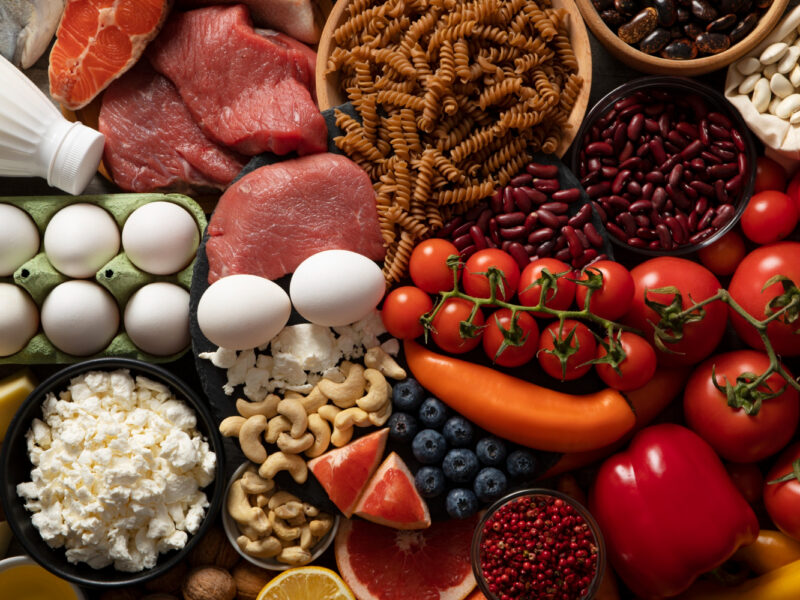

For four decades, official dietary guidelines urged people to cut fat. The food industry flooded the market with “light” and “0% fat” products – yet obesity and heart disease rates didn’t fall, they rose. Research from the past 20 years shows that the question isn’t “how much fat?”, but “which healthy fats?”. Find out which fats genuinely protect your health and how to choose them!
Key facts about fats:
- Fats are essential for absorbing vitamins A, D, E, and K – without them, these vitamins simply pass through the body unused
- Omega-3 and omega-6 fatty acids are essential unsaturated fats that the body cannot produce on its own
- Trans fats (from processed products) are the only category of fats you should categorically avoid
- The brain is 60% fat – olive oil and oily fish literally build its structure
- The daily target is 25-35% of calories from fat – on a 2,000 kcal diet, that’s 56-78 grams per day
Are all fats the same?
Fats are not a homogeneous group – they are several chemically distinct substances with very different effects on the body. The distinction between healthy and harmful comes from molecular structure: the number of double bonds between carbon atoms. Saturated fatty acids have different biological properties from monounsaturated or polyunsaturated ones. Trans fats are a separate category – industrially hydrogenated oils whose structure is foreign to human metabolism.
For decades, the fear of fat rested on a simplified hypothesis: saturated fats raise LDL cholesterol, LDL cholesterol causes heart attacks. The reality is considerably more complex. LDL cholesterol comes in different fractions – small, dense particles are dangerous, while large, buoyant ones are far less so. Saturated fats from dairy and unprocessed meat behave differently from trans fats in factory biscuits. Lumping them together was a scientific error.
Types of fat – saturated, unsaturated, and trans
Fats fall into several groups with distinct effects on the body. The key lies in molecular structure – the number of double bonds between carbon atoms determines their biological properties.
The four main categories of fat:
- Saturated fats (butter, lard, meat) – solid at room temperature; the body can metabolise them, but excess may raise LDL cholesterol
- Monounsaturated fats (olive oil, avocado, nuts) – liquid, resistant to oxidation, and beneficial for the heart and blood vessels
- Polyunsaturated fats (fish, vegetable oils, flaxseed) – contain essential omega-3 and omega-6 fatty acids; sensitive to heat
- Trans fats (hydrogenated oils, fast food) – raise LDL and lower HDL simultaneously – the only unconditionally harmful category
Which fats support heart health?
Mono- and polyunsaturated fats have a well-established beneficial effect on the cardiovascular system. Heart health depends largely on the ratio of fatty acids consumed – and this mechanism is one of the most thoroughly studied areas in nutritional cardiology.
Why is extra virgin olive oil one of the healthiest fats?
Extra virgin olive oil contains oleic acid (omega-9) at 70-80%, along with anti-inflammatory polyphenols – oleocanthal, hydroxytyrosol, and oleuropein. These polyphenols are what set extra virgin olive oil apart from refined olive oil. A Mediterranean diet rich in extra virgin olive oil reduces the risk of cardiovascular events by 30% compared with a low-fat diet – one of the strongest effects ever observed in nutritional research.
How do nuts and avocado affect cholesterol?
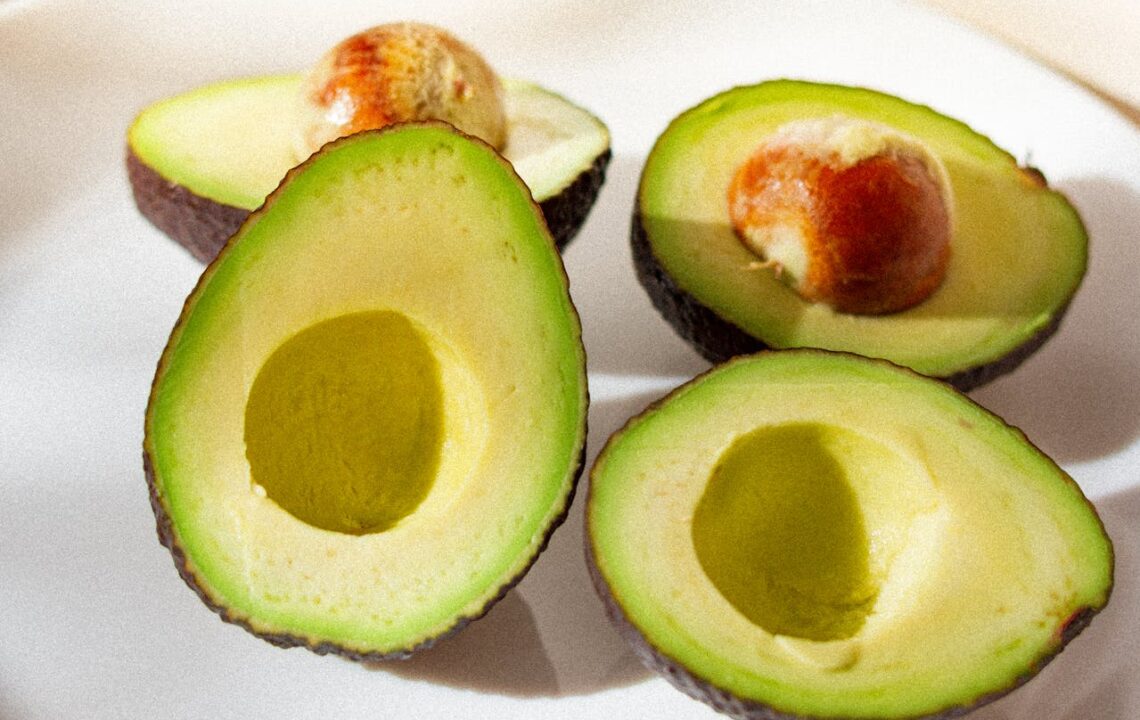
Nuts (walnuts, almonds, cashews) and avocado provide monounsaturated fats, fibre, and phytosterols – plant compounds that block cholesterol absorption in the gut. Eating a handful of nuts daily is linked to LDL cholesterol levels that are 5-10% lower. Avocado also supplies potassium, which helps lower blood pressure and counterbalances the effects of sodium.
Fats that harm health
Trans fats are the absolute minimum to cut out – no amount is considered safe. You’ll find them on labels as “partially hydrogenated vegetable oil”. EU regulations cap them at 2 g per 100 g of fat in food products, but levels in imported foods and catering have been known to be higher.
Products that often contain trans fats or oxidised fats:
- Industrially produced biscuits and crackers – hydrogenated margarine is a standard ingredient in cheaper confectionery
- Chips and fast food – repeated frying oxidises oils, creating toxic compounds
- Instant soups and powdered sauces – may contain hardened fats to extend shelf life
- Microwave popcorn – a well-known example of a product that can be a source of trans fats
- Cheap spreads – check the label: “no trans fats” is only standard in better-quality brands
How much fat does the body need each day?
WHO and EFSA guidelines recommend 25-35% of calories from fat as the optimal range for adults. On a typical 2,000 kcal diet, that’s 56-78 grams of fat per day. Of that total, saturated fats should not exceed 10% of calories (22 g), and trans fats should be kept below 1% (2 g). The remainder should come from mono- and polyunsaturated fats.
In practice: a tablespoon of olive oil (14 g), a handful of nuts (15-20 g), and a serving of salmon (12 g) already add up to around 45 grams of fat daily. Physically active people may need more – fat is an efficient fuel during prolonged endurance exercise.
Common myths about fat
Fat myths are particularly persistent – for decades they were reinforced by official guidelines and the food industry. Here are three of the most common, along with what the evidence actually shows.
| Myth | Reality |
| “Fat makes you fat” | Unsaturated fats are deeply satiating and help control appetite. Studies show similar or greater weight loss on high-healthy-fat diets compared with low-fat ones. |
| “Coconut oil is a superfood” | It’s 92% saturated fat and raises both LDL and HDL – not as beneficial as extra virgin olive oil. Health marketing outpaced the science in this case. |
| “Butter is worse than margarine” | Traditional hydrogenated margarine – yes. Soft margarine without trans fats – comparable. Butter from grass-fed cows contains more omega-3 and CLA (conjugated linoleic acid, which supports metabolism and immunity) than industrial butter. |
Practical rules for choosing healthy fats
Choosing healthy fats comes down to a few simple principles. The Mediterranean diet is built on plant fats and fish as the primary sources of lipids – and that principle has held up across generations of research.
Everyday rules for choosing fats:
- Extra virgin olive oil as the primary fat for low-temperature cooking and salad dressings
- Oily fish two or three times a week – salmon, sardines, or mackerel as the main source of omega-3
- A handful of nuts daily – walnuts, almonds, or cashews as a snack instead of sweets
- Avocado several times a week – an easy way to get monounsaturated fats and potassium
- Read the label – avoid products listing “partially hydrogenated vegetable oil”
Why do healthy fats help you live longer?
Healthy fats help you live longer by reducing chronic inflammation – the mechanism underlying atherosclerosis, dementia, and cancer. A diet rich in olive oil, nuts, and oily fish is one of the shared features of longevity zones – Sardinia, Okinawa, and Ikaria. A longevity diet isn’t fat-free – it’s rich in fats from plant and marine sources. People in longevity zones don’t count grams of fat. They eat real food – and have done so consistently for decades.
FAQ: Frequently asked questions about fats in the diet
Is butter healthier than margarine?
Butter from a good source (especially grass-fed) is a better choice than hydrogenated margarine, but soft margarine with a high proportion of unsaturated fats and no trans fats can be comparable – always check the ingredients.
Is coconut oil healthy?
Coconut oil is not as beneficial for the heart as olive oil – with over 90% saturated fat, its role as a longevity supplement is unconfirmed, though moderate amounts are not harmful for healthy individuals.
Can you eat too many healthy fats?
Healthy fats are calorie-dense – even olive oil provides 120 kcal per tablespoon, so eating too much can lead to weight gain, despite the favourable fatty acid profile.
References:
- Estruch, R., et al. (2018). Primary prevention of cardiovascular disease with a Mediterranean diet supplemented with extra-virgin olive oil or nuts. New England Journal of Medicine. https://doi.org/10.1056/NEJMoa1800389
- Mozaffarian, D., et al. (2006). Trans fatty acids and cardiovascular disease. New England Journal of Medicine. https://doi.org/10.1056/NEJMra054035
- Schwingshackl, L., & Hoffmann, G. (2014). Monounsaturated fatty acids, olive oil and health status. Lipids in Health and Disease. https://doi.org/10.1186/1476-511X-13-154