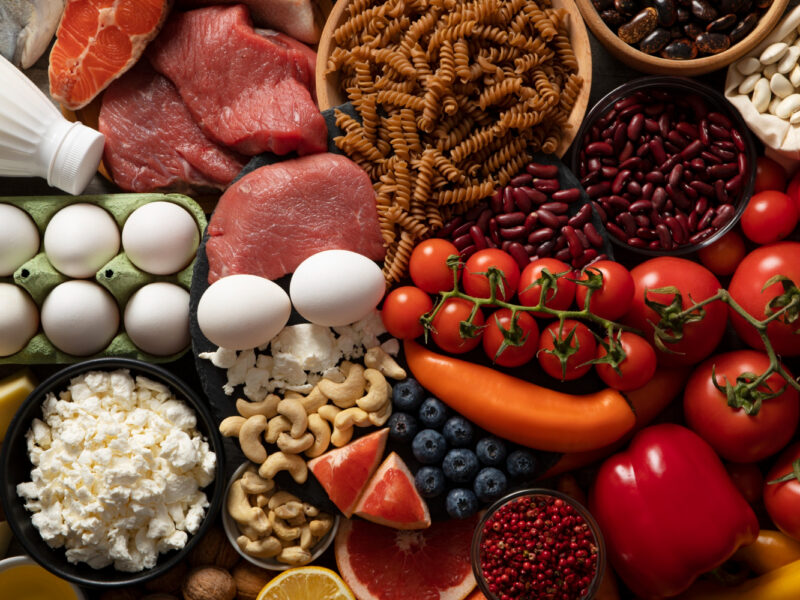


The average Western diet today delivers omega-6 to omega-3 fatty acids in a ratio of 15:1, sometimes even 20:1. Yet our bodies evolved to function at something close to 1:1. That gap directly shapes the level of inflammation in the body. The risk of heart disease, and how well the brain ages. Omega-3 fatty acids aren’t another wellness trend – they’re compounds on which the health of every cell literally depends. Here’s how to restore the balance and what the body stands to gain.
Key facts about omega-3 fatty acids:
- Three forms of omega-3: ALA (from plants), EPA and DHA (from fish and algae) – the body converts ALA to EPA/DHA very inefficiently
- The omega-3 to omega-6 ratio is what matters most – excess omega-6 blocks the action of omega-3
- EPA and DHA are the active forms that measurably affect the cardiovascular system and the brain
- The best sources of DHA and EPA are oily sea fish, algae, and krill oil
- Supplementation makes sense when fish consumption is low, but the quality of the product is critical
Why omega-3 fatty acids are essential for the body
Omega-3 fatty acids are polyunsaturated fats the body cannot produce on its own – they must come from food. They’re a primary building block of cell membranes, especially in the brain and the retina. Without adequate DHA, neurones lose flexibility and the transmission of signals between cells becomes less efficient.
Omega-3 also regulate the production of signalling molecules – eicosanoids – that directly control inflammatory processes. When omega-3 levels are low, inflammation runs long and hard. It’s no coincidence that populations eating large amounts of oily fish show consistently lower rates of these conditions.
Omega-3 vs omega-6 – why the ratio matters
Both types of fatty acids compete for the same enzymes in the body. When the diet delivers far more omega-6 than omega-3, omega-6 wins that competition. The result: the body produces more pro-inflammatory compounds and fewer anti-inflammatory ones. That doesn’t make omega-6 harmful. They’re essential – but the excess of sunflower, corn, and soybean oil in processed food has skewed the ratio in ways our evolution never anticipated.
Our ancestors ate omega-6 to omega-3 at roughly 4:1. Today in Western countries that figure sits at 15-20:1. The shift happened within a single generation, driven mainly by the rise of processed food and refined vegetable oils.
The best sources of omega-3
Which fish provide the most omega-3?
Salmon, mackerel, sardines, herring, and tuna are the fish with the highest EPA and DHA content. A 100 g serving of Atlantic salmon provides around 2.2 g of EPA and DHA combined. More than most supplements deliver at a standard dose.
Fish with the highest omega-3 content (per 100 g):
- Mackerel – 5.1 g EPA+DHA, with low mercury levels
- Atlantic salmon – 2.2 g EPA+DHA, plus vitamin D and B12
- Sardines in oil – 1.5 g EPA+DHA, with calcium from the bones
- Atlantic herring – 1.7 g EPA+DHA, one of the cheapest sources available
- Fresh tuna – 1.3 g EPA+DHA (tinned tuna has far less after processing)
Can you meet your omega-3 needs without eating fish?
ALA needs can be covered without fish, but EPA and DHA are virtually unavailable from plant sources – the body converts ALA to these active forms at an efficiency of only 5-10%. Flaxseed, walnuts, and chia seeds all supply ALA, but for people who don’t eat fish, the only reliable way to maintain adequate EPA and DHA levels is supplementing with marine algae – the same source from which fish ultimately derive their omega-3.
Plant-based omega-3 sources (ALA):
- Ground flaxseed – 6.4 g ALA per tablespoon (but poor conversion to EPA/DHA)
- Walnuts – 2.5 g ALA per handful, easy to add to any diet
- Chia seeds – 5 g ALA per tablespoon, also rich in fibre
- Algae oil – a direct source of DHA and EPA, ideal for vegans
Does omega-3 protect against heart disease?
The evidence shows that regular EPA and DHA intake lowers blood triglycerides (fats circulating in the bloodstream) by 15-30%, reduces the blood’s tendency to clot, and decreases vascular inflammation. The GISSI-Prevenzione trial conducted in Italy with over 11,000 post-heart-attack patients found that omega-3 supplementation reduced the risk of a further cardiac event by 20% over 3.5 years.
Omega-3 work through several mechanisms at once. Lowering blood pressure, improving endothelial function (the inner lining of blood vessels), and reducing arterial stiffness. That combination translates into measurable heart health improvements visible in imaging and blood tests.
How omega-3 affects memory and brain function
DHA accounts for 40% of all fatty acids in the brain and 60% of fatty acids in the retina. DHA deficiency in a pregnant woman’s diet is linked to poorer foetal brain development. In adults, it’s associated with faster cognitive decline with age.
Dr Rhonda Patrick, a biochemist specialising in longevity medicine, explains: “DHA isn’t just a building block – it’s an active modulator of gene expression in the brain, influencing neuroplasticity and the production of BDNF, a key neuronal growth factor.” EPA, on the other hand, acts more strongly as an anti-inflammatory agent, protecting brain tissue from oxidative stress. Optimal blood levels of EPA and DHA correlate with a larger hippocampal volume – the brain region central to memory.
Does omega-3 supplementation make sense?
Supplementation is justified in three situations. When someone eats no fish, or less than twice a week; during pregnancy or breastfeeding; and when a blood omega-3 index test shows a level below 8%. For everyone else eating fish regularly, the additional effect of supplements is modest.
Product quality matters enormously. Fish oil oxidises quickly after opening – which not only cancels the benefits but can actually be harmful.
Quality indicators when choosing a supplement:
- Triglyceride form (TG or rTG) – better absorption than ethyl ester form
- EPA and DHA content per capsule – at least 500 mg combined
- IFOS or TOTOX certification (independent standards confirming purity and absence of oxidation)
- Expiry date and storage – should be refrigerated after opening
- No unpleasant smell – rancid oil is a sign of oxidation
Omega-3 in the daily diet – how much and from where
Health guidelines recommend 250-500 mg of EPA+DHA daily for healthy adults, rising to 1-2 g for those with cardiovascular conditions. In practice, two portions of oily fish per week cover the minimum. Though population studies suggest fewer than 20% of adults in Poland eat fish with that frequency.
People who eat oily fish twice a week typically maintain an omega-3 index above 6%, the level associated with a reduced risk of heart disease. Swapping sunflower and corn oil for olive or rapeseed oil shifts the fatty acid balance straight away – and adding sardines, herring, or mackerel twice a week is a cheaper and more effective way to raise EPA and DHA levels than premium supplementation.
FAQ: Frequently asked questions about omega-3 fatty acids
How much omega-3 does an adult need daily?
A healthy adult needs 250-500 mg of EPA+DHA daily, rising to 1-2 g for those with cardiovascular conditions – two servings of oily fish per week covers the minimum requirement.
Does omega-3 from supplements work as well as from fish?
Omega-3 from fish in triglyceride form is absorbed better than ethyl esters found in budget supplements, but a high-quality supplement in rTG form is comparable to oily fish in terms of bioavailability.
Should children take omega-3?
DHA is essential for normal brain development in children, which is why paediatricians recommend regular fish consumption or DHA supplementation particularly for children up to the age of two and during pregnancy.
References:
- Simopoulos, A. P. (2002). The importance of the ratio of omega-6/omega-3 essential fatty acids. Biomedicine & Pharmacotherapy. https://doi.org/10.1016/S0753-3322(02)00253-6
- Raji, C. A., et al. (2014). Regular fish consumption and age-related brain gray matter loss. American Journal of Preventive Medicine. https://doi.org/10.1016/j.amepre.2014.05.037