

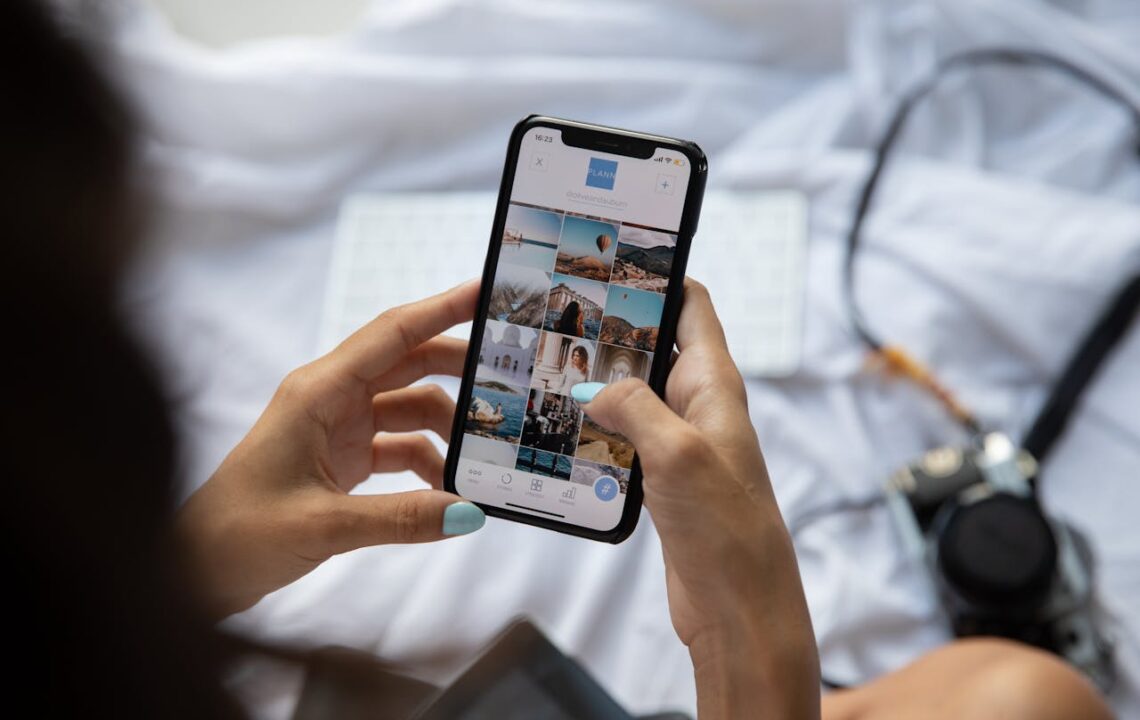
The phone screen flashes once again tonight. Another notification, another wave of content to scroll through, another moment when chronic stress quietly whispers a reminder of its presence. What was meant to connect and inform has become a source of constant tension – the fear of missing out, comparing yourself to idealized versions of other people’s lives, the inability to put the device down even for a moment. Cortisol doesn’t drop, sleep loses its regenerative power, and concentration disperses in a thicket of digital stimuli. The world of technology, which promised to make life easier, now requires a new skill from us – the art of conscious distance!
Key information about FOMO and stress:
- FOMO (Fear of Missing Out) is anxiety about missing important events or experiences
- Constant exposure to social media raises cortisol levels and worsens well-being
- Chronic stress from technology increases risk of depression, anxiety, and sleep disorders
- Digital detox and limiting screens are effective ways to reduce stress
- Conscious use of the internet can protect mental and physical health
What is FOMO?
FOMO is short for “Fear of Missing Out” – the anxiety of missing something. It’s the feeling that others are doing something more interesting, experiencing something better, and you’ve been left behind. Social media creates the perfect environment for FOMO – a constant stream of other people’s successes, vacations, parties, and achievements creates the impression that your life is boring and incomplete.
FOMO isn’t just an emotion, but a physiological reaction. When you see posts about events you’re not participating in, the brain activates the same areas responsible for processing threats. Cortisol levels rise, the heart speeds up, anxiety appears. The body reacts as if it were in a threatening situation – even though you’re sitting comfortably with a phone in your hand.
Best ways to fight FOMO
Fighting FOMO begins with awareness. Notice the moments when you feel anxious after browsing social media. Do you really want to see another post? Does it bring you value? We often scroll automatically, without purpose, just because the phone is within reach.
Set time boundaries for social media. Apps like Screen Time show how much time you spend online. Most people are surprised – 3, 4, sometimes 5 hours daily. That’s one–third of waking time. Limit it to 30–60 minutes daily at designated times. No scrolling in the morning right after waking up and in the evening before bed.
Effective strategies for reducing FOMO:
- Turn off social media notifications – check them consciously, not on demand
- Remove apps from the phone’s home screen – make access harder for yourself
- Establish “digital quiet hours” – e.g., after 8:00 PM until morning
- Practice gratitude – daily write down 3 things you’re grateful for in your life
- Develop offline hobbies – reading, sports, face-to-face meetings
How to do a digital detox and limit screen time
A digital detox is a conscious break from technology. You don’t have to immediately disappear for a week in the forest without a phone. Start with one day without social media per week. Saturday or Sunday – choose a day when you can focus on the real world without a screen. You’ll notice how differently you feel without the constant impulse to check.
Why do social media cause depression?
Social media displays an idealized reality. People post their best moments, carefully framed photos, successes. Nobody uploads posts about failures, bad days, or ordinary boredom. This creates a distorted image of reality that you subconsciously accept as truth. Your everyday life seems gray in comparison.
A 2019 study conducted by scientists from the University of Pennsylvania shows a clear connection. Students who limited social media use to 30 minutes daily, after three weeks, reported a significant decrease in symptoms of depression and loneliness. The control group without restrictions showed no improvement. It’s a simple experiment, but telling – less screen time equals better well-being.
Platform algorithms are designed to keep you as long as possible. Every scroll, every click is a data point that helps show you content you’ll react too emotionally. The problem? Often these are contents triggering anxiety, anger, or jealousy – because these emotions engage the most. Social media and depression is a topic that requires awareness and action before the problem deepens.
Comparing yourself to others online and mental health
Comparing yourself is a natural human reflex. The problem appears when you compare your life to a retouched version of someone else’s. You see success, but you don’t see the work, failures, and sacrifices that led to it. You see a perfectly composed photo, but you don’t see the ten rejected shots before it.
Chronic stress as a silent health killer
Chronic stress is a state where the body remains in fight–or–flight mode for a long time. Cortisol – the stress hormone – stays at elevated levels. This leads to a range of health problems. The immune system weakens, blood pressure rises, sleep worsens. The body functions in emergency mode, using up resources faster than it can rebuild them.
Technological stress is a particular type of chronic tension. There’s no clear source of threat – you’re not running from a predator. But the brain reacts similarly to a constant stream of notifications, emails, messages. Each signal is a micro–impulse of stress. They add up throughout the day, keeping cortisol at levels that harm health. Chronic stress as a silent health killer works slowly but consistently – that’s why it’s so easy to ignore until the effects become serious.
Effects of long–term digital stress:
- Sleep disorders and difficulty falling asleep
- Problems with concentration and memory
- Increased risk of heart disease and hypertension
- Weakened immune system
- Deterioration of social relationships and isolation
Summary of technology’s impact on stress and principles of internet use
Technology isn’t the enemy – it’s a tool. The problem starts when the tool takes control over you. Conscious use of the internet means you decide when and how long you use screens, not algorithms and notifications. Set boundaries, stick to them, observe how your well-being improves. Less stress, better sleep, more time for things that really count. Regaining peace in the digital world is possible – just start with small steps and consistently follow them.
FAQ – most frequently asked questions about FOMO and stress
How long does a digital detox take to see effects?
The first effects like better sleep and less anxiety can be noticed after just 3–7 days of limiting screens to 30–60 minutes daily – full well-being improvement comes after 2–3 weeks.
Is complete removal of social media necessary?
It’s not necessary – conscious time limitation and turning off notifications are enough, but if you feel you don’t control usage, temporary app removal can be an effective step.
How to talk with family about digital boundaries?
Start by establishing common rules like “no phones at the table” or “an hour before bed without screens” – it’s easier to follow rules when everyone adheres to them.
Does FOMO only affect young people?
No, FOMO affects people of all ages – adults experience anxiety about missing professional, social, or family events just as often as youth.
References:
- Hunt, M. G., et al. (2018). No More FOMO: Limiting Social Media Decreases Loneliness and Depression. Journal of Social and Clinical Psychology, 37(10). https://doi.org/10.1521/jscp.2018.37.10.751
- Twenge, J. M., & Campbell, W. K. (2019). Media Use Is Linked to Lower Psychological Well-Being. Current Directions in Psychological Science, 28(4). https://doi.org/10.1177/0963721419838244