
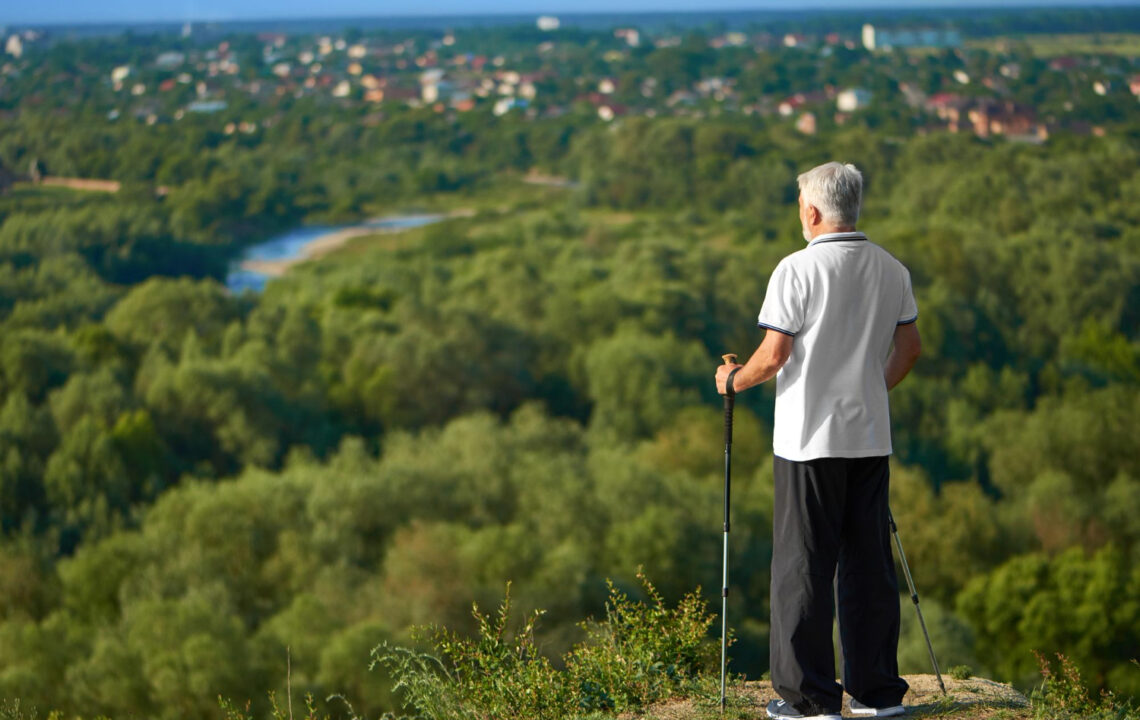
A man who spent his life among the wildest corners of the planet, at nearly one hundred years old, still radiates energy and clear mind. Sir David Attenborough is not only a legendary naturalist and documentarian, but also living proof that lifestyle determines the length and quality of our years. His story shows how passion for nature, constant movement, and plant–based diet create a health foundation that goes beyond genes or luck. This is inspiration for anyone seeking simple, proven ways to a long life full of energy. Learn the secrets of a man who transformed contact with nature into a recipe for vitality!
Key lessons from David Attenborough:
- Daily movement and physical activity don’t need to be intense to bring effects
- Contact with nature supports cellular regeneration and mental health
- Plant–based diet reduces inflammation and protects against chronic diseases
- Mental activity and continuous learning preserve cognitive function
- Passion for what we do gives meaning and motivation at every life stage
How does David Attenborough take care of his health?
Sir David Attenborough, born in 1926, for decades traveled the most remote corners of the world, filming nature in extreme conditions. At age 98, he still works, travels, and engages in documentary projects. This is no coincidence – his approach to health combines simplicity with consistency.
Health basics according to Attenborough:
- Regular physical activity adapted to capabilities
- Diet based on plants with minimal processed food
- Living in harmony with nature’s rhythm and respect for nature
- Mental engagement in work and passions
- Avoiding excessive stress through calm life pace
Attenborough never trained at a gym or ran marathons. His activity is field expeditions, walks, climbing difficult terrain during filming. This is a natural movement that engages the whole body and maintains fitness without forcing the organism.
David Attenborough’s activity and the role of NEAT in daily life
NEAT is energy burned during daily non-exercise activities – walking, standing, carrying equipment, climbing. For Attenborough, this wasn’t theory but everyday life. Hours spent in the field, often in difficult conditions, forced constant movement. It’s precisely NEAT that accounts for a significant part of his physical fitness.
Research shows that people with high NEAT levels have better insulin sensitivity, lower heart disease risk, and maintain mobility longer. It’s not about intense workouts but eliminating sitting and introducing movement into every day. Attenborough always chose active forms of work instead of desk and studio.
How does contact with nature help cells in regeneration?
Being outdoors is more than pleasure – it’s a biological need. Exposure to natural light regulates circadian rhythm and melatonin production. The body knows when to be active and when to regenerate. Attenborough spent most of his life in a natural environment, which supported his cellular health.
Contact with nature lowers cortisol and activates the parasympathetic system – responsible for regeneration and calm. Heart rate slows, blood pressure drops, mind calms. This is the state where cells repair most efficiently – they remove DNA damage, cleanse toxins, renew mitochondria.
Benefits of regular contact with nature:
- Lowering cortisol levels and stress reduction
- Improved sleep quality through circadian rhythm regulation
- Immune system strengthening
- Increased vitamin D levels from sun exposure
- Better concentration and mental well-being
Why is it worth spending time outdoors?
Fresh air provides oxygen in optimal amounts, supporting cellular metabolism. In enclosed spaces, CO2 levels rise, worsening concentration and energy. Attenborough worked for decades in open spaces where air quality was natural and supported body efficiency.
Movement outdoors combines benefits of physical activity and nature contact. A walk in the forest gives more than the same kilometers on a gym treadmill. Variable terrain engages stabilizers, nature’s sights and sounds calm the mind, and phytoncides from trees support the immune system.
Regular outdoor time also strengthens stress resistance. The body learns to adapt to changing conditions – temperature, humidity, light. This is natural hardening that makes us cope better with daily challenges and tension.
Plant–based diet and its impact on longevity
Attenborough has promoted a plant-based diet for years, not only for environmental reasons but also for health. His menu is based on vegetables, fruits, legumes, and whole grains. Minimal animal products, no processed food.
Plant-based diet reduces inflammation – the main cause of age-related diseases. Phytonutrients from vegetables and fruits protect cells from oxidative stress. Fiber supports healthy gut microbiota, which affects immunity and metabolism. Research on longevity populations consistently shows that people eating mainly plants live the longest.
Advantages of plant–based diet:
- Reduction of inflammation in the body
- Better control of sugar and cholesterol levels
- Lower risk of heart disease and cancer
- Support for healthy gut microbiota
- More energy and better regeneration
How to maintain a sharp mind in older age?
Attenborough at nearly one hundred years old still leads documentary projects, writes books, and engages in environmental activities. His mind remains sharp thanks to continuous learning and intellectual engagement. The brain works like a muscle – without training it weakens.
New experiences and learning create new synaptic connections. This process is called neuroplasticity – the brain’s ability to adapt and develop regardless of age. Attenborough constantly learns new species, new places, new film technologies. This maintains his cognitive functions at a high level.
Nature’s impact on health and simple tips for long life
David Attenborough’s life is a practical guide to longevity based on nature and simplicity. You don’t need exotic supplements or complicated protocols. Just spend time outdoors daily, eat mainly plants, move regularly, and engage your mind in what you do.
Passion for life and respect for nature is not philosophy but concrete actions. Forest walks, eating fresh vegetables, continuously learning new things. Every day is an opportunity to introduce at least one of these principles and feel the difference in energy and well-being.
Start today – small steps, big changes
You don’t need to change everything at once or travel to the other end of the world. Go for a 30–minute walk to the nearest park, add more vegetables to lunch, spend the evening learning something new. It’s precisely these simple, daily choices that build health and longevity. Attenborough shows that the secret isn’t complicated strategies but consistency in simple habits throughout life. Your body and mind will reward you with energy, mental clarity, and good well-being for years.
FAQ – most frequently asked questions about health and nature
How much time daily is worth spending outdoors?
Minimum 30 minutes daily outdoors brings measurable health benefits, but optimally it’s 1–2 hours, especially in natural surroundings like forest or park.
Does a plant-based diet provide all nutrients?
A well-planned plant-based diet provides all necessary nutrients, except vitamin B12, which is worth supplementing or obtaining from fortified products.
How to start regular physical activity in older age?
Start with daily 15–minute walks and gradually extend time – regularity is key, not intensity, and any movement is better than sitting.
Does contact with nature really affect mental health?
Yes, research confirms that regular time in nature lowers cortisol levels, reduces anxiety and depression symptoms, and improves overall mental well-being.
References:
- Park, B. J., et al. (2010). The physiological effects of Shinrin-yoku (taking in the forest atmosphere or forest bathing). Environmental Health and Preventive Medicine, 15(1). https://doi.org/10.1007/s12199-008-0068-3
- Springmann, M., et al. (2016). Analysis and valuation of the health and climate change cobenefits of dietary change. PNAS, 113(15). https://doi.org/10.1073/pnas.1523119113