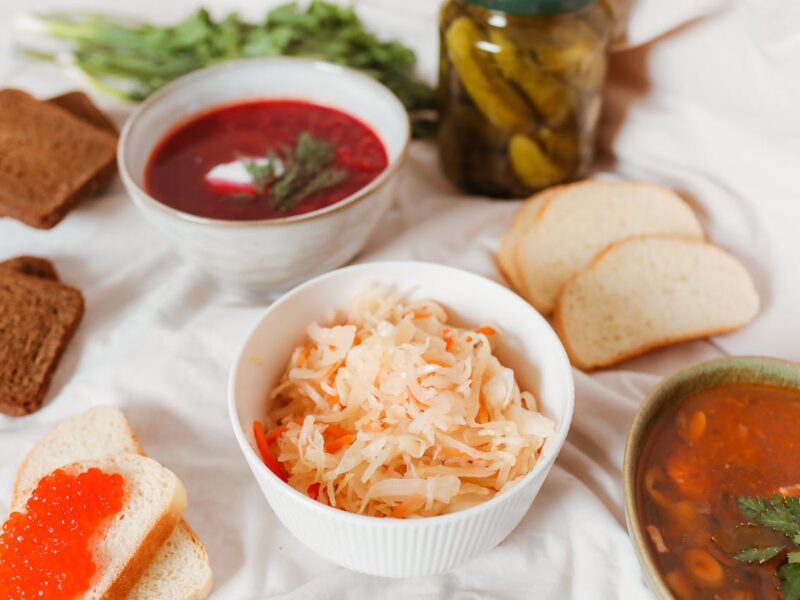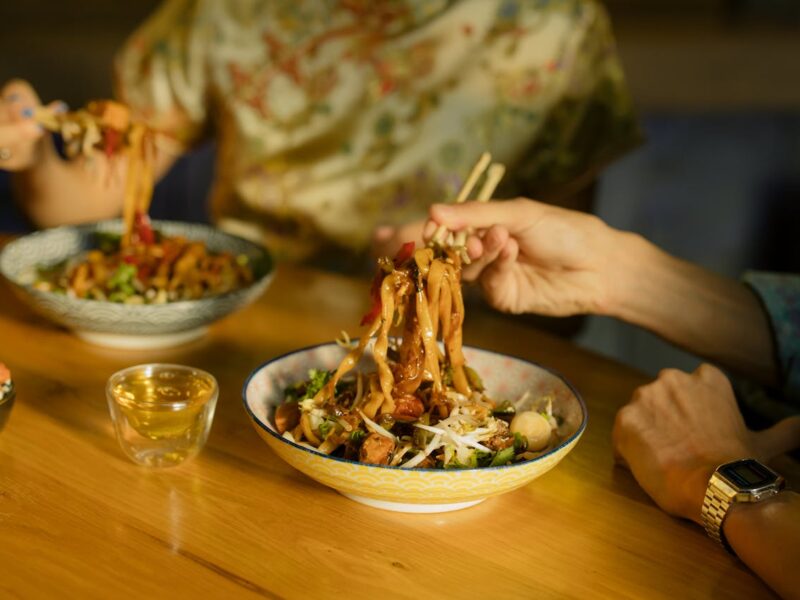


In Okinawa, families eat the same dishes for generations – Monday’s miso soup, Wednesday’s fish with vegetables, Friday’s natto. Sardinians prepare weekly supplies on Sunday. This is no coincidence – meal planning in Blue Zones is a natural ritual building health over decades. Discover how conscious planning can transform your health!
Key facts about meal planning:
- Meal planning reduces impulsive food choices and overeating
- People in Blue Zones eat according to fixed rhythms and seasonal products
- Regular meal times support healthy metabolism and weight control
- Conscious food preparation increases diet quality by 30-40%
- Planning eliminates stress related to the daily question “what shall I eat today?”
Why does meal planning support longevity?
Meal planning is the foundation of healthy eating. People who plan what they eat more often reach for fresh vegetables, whole grains, and plant protein. They avoid ultra-processed products that appear in the diet mainly due to lack of time and meal ideas.
Research shows that people planning meals have a lower body mass index, a better lipid profile, and less frequently suffer from type 2 diabetes. When you know what you’ll prepare for dinner, you don’t reach for fast food. When you have ingredients for a healthy breakfast in the fridge, you don’t eat sweets on an empty stomach.
Benefits of regular meal planning:
- Better glycaemic control through regular eating times
- Reduction of inflammation thanks to fresh ingredients
- Greater diet variety and fuller nutrient profile
- Lower risk of overeating and hunger attacks
- Time and money savings through less food waste
How does weekly meal planning look in longevity cultures?
In Okinawa, Sardinia, and Loma Linda, people eat according to fixed rhythms. Meals are based on local, seasonal products, and their preparation is often simple. Japanese people eat plenty of vegetables, fish, and fermented products. Sardinians focus on legumes, olive oil, and homemade bread. Everyone shares an eating approach based on freshness and repetition.
Planning there doesn’t mean complicated diets. Families eat similar dishes each week, changing only ingredients depending on the season. Monday’s fish soup, Wednesday’s pasta with vegetables, Friday’s risotto with asparagus. Routine builds healthy habits and eliminates chaos.
How many meals per day should you eat for optimal health?
Most longevity cultures eat three meals daily, sometimes adding a small snack. Regularity is key – the body knows when it will receive energy and doesn’t activate starvation mechanisms. Breaks between meals are 4-5 hours, allowing for complete digestion and digestive system rest.
How to plan meals to avoid hunger attacks and overeating?
Hunger attacks are the effect of chaotic eating and blood sugar fluctuations. When you eat irregularly or skip meals, the body reacts with strong hunger and sweet cravings. Planning stabilises glycaemia and eliminates extreme hunger signals. Dan Buettner, author of Blue Zones research, emphasises that people there follow the hara hachi bu principle – they eat to 80% fullness, which protects against overeating and supports digestion.
Planning principles protecting against hunger attacks:
- Eat meals at fixed times – the body adapts
- Each meal contains protein, fats, and complex carbohydrates
- Don’t skip breakfast – it kickstarts metabolism for the whole day
- Keep healthy snacks on hand for sudden hunger
- Drink water regularly – dehydration is often mistaken for hunger
Which days of the week are best to dedicate to food preparation?
Sunday and Wednesday are popular days for preparing basic ingredients. On Sunday, you can cook grains, rice, legumes, and chop vegetables for half the week. On Wednesday, refresh supplies for the remaining days.
What should be in a healthy pantry?
A well-stocked pantry is the basis of effective planning. When you have key long-shelf-life products at hand, you can quickly compose a healthy meal without going to the shop. In the Mediterranean diet, basic products are olive oil, tinned fish, tinned tomatoes, wholegrain pasta, and dried herbs.
Basic products for a healthy pantry:
- Legumes provide protein – lentils, chickpeas, beans (dried or tinned)
- Wholegrain products deliver energy – buckwheat groats, brown rice, oat flakes
- Nuts and seeds support heart health – almonds, walnuts, flaxseed, sunflower seeds
- Healthy fats build the diet base – extra virgin olive oil, linseed oil
- Spices and herbs enrich flavour – turmeric, garlic, basil, oregano, cinnamon
- Tinned goods enable quick meals – chopped tomatoes, fish in brine, tahini paste
Practical meal planning strategies for busy people
Lack of time is the most common excuse against planning. Meanwhile, a well-planned week saves hours spent thinking what to eat and running to the shop. The strategy is 30 minutes at the weekend to establish a menu and shopping list, plus 1-2 hours to prepare basic ingredients.
Write down 5-7 proven recipes you like and prepare quickly. Rotate them weekly. You don’t need to be creative daily – the longevity diet is based on simple, repeatable dishes from local products. Vegetable soup, pasta with vegetables, groats with roasted broccoli, salad with chickpeas. Routine builds health.
FAQ: Most frequently asked questions about meal planning
How long does planning meals for a whole week take?
Planning a menu and shopping list takes about 20-30 minutes, and preparing basic ingredients is another 1-2 hours, which saves several hours during the week.
Does meal planning require batch cooking?
You don’t need to cook everything in advance – it’s enough to prepare basic ingredients like cooked grains, chopped vegetables, or baked protein, and assemble meals on the go.
How to plan meals so the same dishes don’t get boring?
Prepare 10-12 proven recipes and rotate them weekly, changing vegetables seasonally and using different spices for flavour variety.
References:
1. Ducrot, P., et al. (2017). Meal planning is associated with food variety, diet quality and body weight status in a large sample of French adults. International Journal of Behavioral Nutrition and Physical Activity. https://doi.org/10.1186/s12966-017-0587-0
2. Tong, T. Y., et al. (2020). Dietary diversity and risk of type 2 diabetes: prospective study. The BMJ. https://doi.org/10.1136/bmj.m2206
3. Buettner, D., et al. (2016). Lessons from the Blue Zones: food and longevity. Circulation. https://doi.org/10.1161/CIRCULATIONAHA.115.018666