

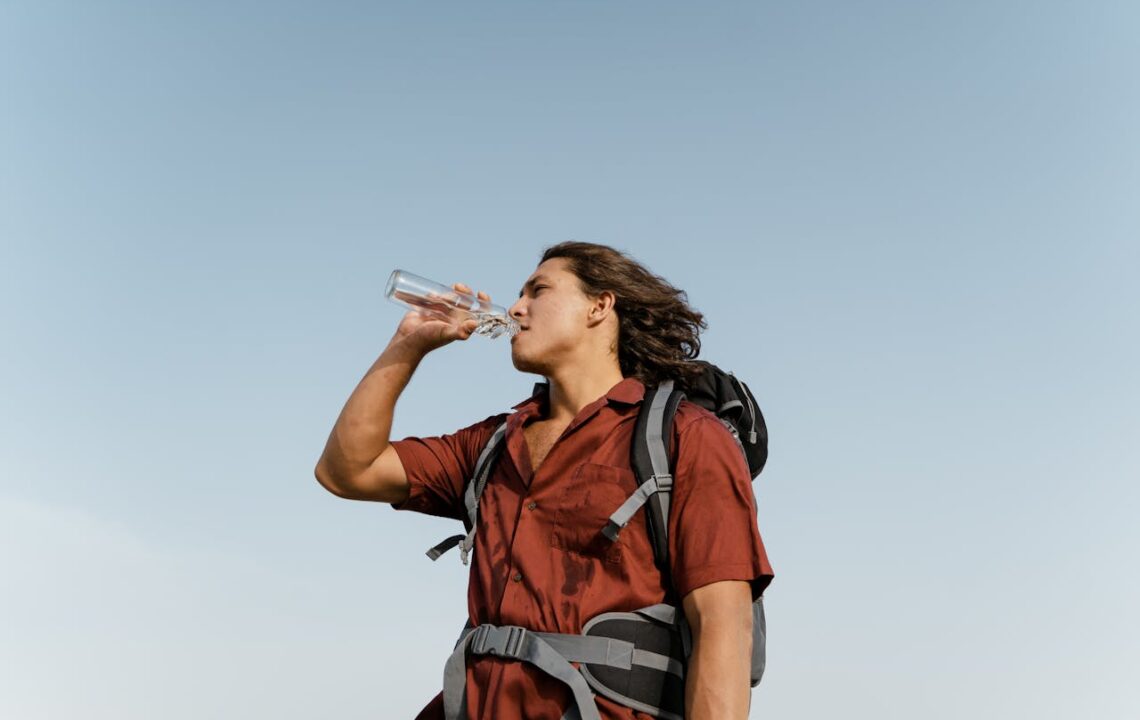
Every day you lose about two litres of water through breathing, sweating, and excretion. Lack of proper hydration slows metabolism, worsens concentration, and accelerates cell ageing. Water is not just a body component but an active participant in every biochemical reaction – from nutrient transport to toxin removal. People in longevity zones treat drinking consciously, choosing natural beverages free from sugar and additives. Learn how proper hydration can change your well-being today!
Key facts about hydration:
- The body loses 2-3 litres of water daily – even without physical exertion
- Just 2% dehydration reduces cognitive and physical performance
- Water participates in every metabolic reaction in the body
- Natural drinks like green tea extend life in longevity cultures
- Chronic dehydration accelerates ageing and increases kidney disease risk
Why is hydration so important for health?
Water constitutes about 60% of an adult’s body mass. Every cell, tissue, and organ needs it to function properly. Even a slight water deficit triggers a cascade of negative changes – blood thickens, the heart works harder, kidneys filter metabolic waste worse. The brain, consisting of 75% water, reacts to dehydration with decreased concentration and worsened mood.
Nutrient transport, temperature regulation, toxin removal, production of mucus protecting the digestive tract – all these processes depend on adequate water amounts. Chronic dehydration leads to kidney stones, constipation, dry skin, and accelerated cell ageing. Research shows that people who drink water regularly have a lower risk of urinary system diseases and better cognitive function in older age.
Key functions of water in the body:
- Transport of nutrients to cells and removal of metabolic waste products
- Body temperature regulation through sweating and breathing
- Joint and tissue protection – water acts as a natural shock absorber
- Digestion support through mucus and digestive juice production
- Blood pressure maintenance and proper heart function
How much water should we drink every day?
There is no single universal norm for everyone. Typical recommendations speak of 2-3 litres daily for adults, but actual needs depend on body mass, physical activity, ambient temperature, and diet. A person weighing 70 kilograms needs more fluids on a hot day after training than during a quiet evening in an air-conditioned room.
A good indicator is urine colour – pale straw means proper hydration, dark suggests water deficit. Thirst is a late signal – when you feel it, the body is already partially dehydrated. Regular drinking of small portions throughout the day works better than consuming large amounts at once. People in longevity cultures drink water systematically, often starting the day with a glass of water after waking.
Can you drink too much water?
Yes, excessive water drinking can lead to hyponatraemia – a dangerous drop in blood sodium levels. This is a rare phenomenon but occurs in people drinking several litres in a very short time, especially during intense physical exertion. The kidneys of a healthy person can filter about 0.7-1 litre of water per hour – above this value, excess can disturb electrolyte balance.
Hyponatraemia symptoms include nausea, headaches, disorientation, and in extreme cases brain oedema. It’s enough to drink according to thirst and observe body signals. If urine is very light and you need to pass it every half hour despite no increased activity, you’re probably drinking more than needed. Balance is key – too little and too much water are two extremes worth avoiding.
Which beverages support health and longevity?
Pure water remains the foundation, but natural drinks can provide additional health benefits. In longevity cultures – on Okinawa, in Sardinia, in the Mediterranean region – people regularly drink herbal teas, green tea, and freshly squeezed vegetable juices. These beverages provide antioxidants, aid digestion, and reduce inflammation.
Beverages supporting health and longevity:
- Green tea – EGCG polyphenols protect against oxidative stress
- Herbal teas – chamomile, mint, hibiscus support digestion and sleep
- Black coffee – moderate consumption supports cognitive functions and metabolism
- Coconut water – natural electrolytes support hydration after exercise
- Fresh vegetable juices – without added sugar, rich in vitamins and minerals
Tea, coffee, or water – what hydrates best?
Water remains the most effective hydrating beverage. Tea and coffee, despite caffeine content, also hydrate the body – their mild diuretic effect doesn’t negate the fluids provided. Research shows that people drinking up to 3-4 cups of coffee daily don’t experience dehydration, as long as they also drink water.
Green tea, popular in the Mediterranean diet and Asian cuisine, provides fluids and antioxidants simultaneously. The key is avoiding additives – sugar, syrups, and artificial sweeteners reduce the beverage’s hydrating value and can harm health. The best choice is natural drinks, unprocessed, consumed in moderate amounts throughout the day.
Which beverages are better to avoid?
Sugar-sweetened drinks are the main enemy of hydration and health. Each can of cola contains about 10 teaspoons of sugar, leading to blood glucose spikes, insulin resistance, and obesity. Fruit juices from cartons, even those labelled natural, often contain as much sugar as fizzy drinks. Fructose in large amounts burdens the liver and increases inflammation.
Alcohol acts as a diuretic and dehydrates the body. Each portion of alcohol requires additional water for metabolism and elimination from the body. Energy drinks, despite energy promises, deliver caffeine and sugar in amounts disrupting hormonal and cardiovascular balance. Long-term consumption of such drinks leads to chronic dehydration, kidney problems, and metabolic issues.
Beverages worth avoiding:
- Fizzy drinks with sugar – empty sugar without nutritional value
- Fruit juices from cartons – high fructose content without fibre
- Energy drinks – excess caffeine and artificial additives
- Alcohol – dehydrates and burdens liver and kidneys
- Diet drinks with sweeteners – artificial substances disrupt gut microbiota
How to ensure daily hydration?
Hydration is a habit, not a one-time decision. Start the day with a glass of water right after waking – it replenishes fluids lost during the night. Keep a water bottle with you at work, in the car, at the desk. Drink before meals, not during – this supports digestion and helps control appetite. Add a slice of lemon or mint leaf if plain water seems boring. Observe urine colour and thirst as signals of the body’s needs. Systematic, conscious water drinking supports long-term health and daily energy without much effort.
FAQ: Most frequently asked questions about hydration
Does coffee dehydrate the body?
Coffee in moderate amounts doesn’t dehydrate – its hydrating effect exceeds the diuretic action of caffeine, so it contributes to the daily fluid balance.
How to check if I’m dehydrated?
The best indicator is urine colour – dark, intense means dehydration, pale straw indicates proper body hydration.
Can fizzy drinks replace water?
Fizzy drinks with sugar or sweeteners won’t replace water – they provide empty calories, harm metabolic health, and don’t hydrate effectively.
How much water should a child drink versus an adult?
Children need about 1-1.5 litres of water daily depending on age, adults 2-3 litres, but needs increase with physical activity and ambient temperature.
References:
1. Popkin, B. M., et al. (2010). Water, hydration, and health. Nutrition Reviews. https://doi.org/10.1111/j.1753-4887.2010.00304.x
2. Armstrong, L. E., et al. (2012). Mild dehydration affects mood in healthy young women. Journal of Nutrition. https://doi.org/10.3945/jn.111.142000
3. Kuriyama, S., et al. (2006). Green tea consumption and mortality due to cardiovascular disease, cancer, and all causes in Japan. JAMA. https://doi.org/10.1001/jama.296.10.1255