

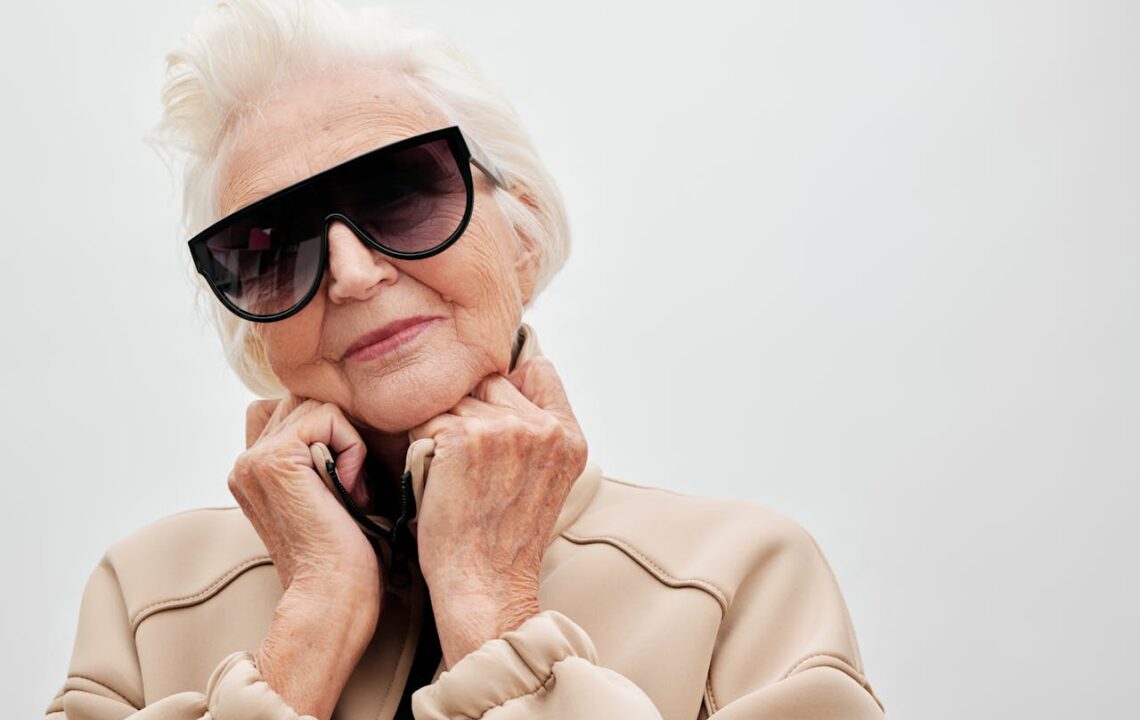
In Japanese culture, there is a concept called wabi-sabi – the beauty of what is imperfect, transient, and natural. Wrinkles, grey hair, and a slower pace needn’t signal a loss of worth. Healthy ageing is a process in which the body changes over time yet retains its function, energy, and capacity for everyday joy. Discover how to support your body at every stage of life!
What to know about healthy ageing:
- Ageing begins at a cellular level from as early as the age of 25
- Regular movement slows the loss of muscle mass by as much as 50%
- A diet rich in antioxidants protects cells against premature ageing
- Social relationships influence life expectancy more powerfully than genes
- A sense of purpose in later life lowers the risk of dementia and depression
What sets healthy ageing apart from ordinary ageing?
Healthy ageing means maintaining independence, cognitive function, and well-being despite the passing of years. The crucial difference lies in the pace and quality of change – not in the absence of change itself.
How does the body change after 40, 50, and 60?
After 40, metabolism slows by roughly 1-2% per decade. Muscles lose volume, bones become less dense, and the skin produces steadily less collagen. These are natural processes that affect everyone – yet the speed at which they unfold depends on daily habits.
In the fifth decade of life, hormonal shifts accelerate. Women, the menopause lowers oestrogen levels, affecting bone density and skin elasticity. Men, testosterone drops by 1-2% each year. After 60, the immune system weakens – the body responds to infections more slowly and reacts less effectively to vaccines.
Which changes are natural and which can be slowed down?
Greying hair, expression lines, and a slower metabolism are part of natural ageing – they cannot be stopped entirely. However, loss of muscle mass, declining memory, and reduced bone density are processes we can genuinely influence. Strength training twice a week slows sarcopenia – the gradual loss of muscle mass. Understanding the biology of ageing helps distinguish what is inevitable from what can be changed.
Movement, diet, and sleep – the foundations of healthy ageing
The three pillars of healthy ageing are physical activity, nutrition, and recovery. None of them works in isolation – only their combination delivers real results. People who combine regular movement with a vegetable-rich diet and 7-8 hours of sleep have a 60% lower risk of chronic disease than those who focus on just one pillar.
Foundations of healthy ageing:
- 150 minutes of movement per week – a blend of strength and aerobic exercise protects muscles, bones, and the heart
- A Mediterranean-style diet with plenty of vegetables, fruit, fish, and olive oil
- 7-8 hours of sleep in a regular rhythm, free from screens before bed
- Hydration – the thirst mechanism weakens with age, so it pays to drink regularly even without feeling thirsty
How to adapt physical activity to your age?
After 40, the key is to adapt your needs to your life stage. Intensity decreases, but regularity increases. Strength training guards against sarcopenia, balance exercises prevent falls, and walks improve circulation. After 60, add stretching and breathing exercises – chest flexibility affects lung capacity.
Can ageing be slowed down?
Some ageing processes can be slowed through everyday choices – movement, diet, and the control of chronic inflammation. Prof. David Sinclair of Harvard Medical School demonstrated that activating sirtuins – proteins that regulate DNA repair – slows cellular degradation in mammals. We support this biology through daily habits: movement, intermittent fasting, and a diet rich in polyphenols – protective plant compounds.
The nine hallmarks of ageing describe processes that occur in every organism – from the shortening of telomeres – protective caps on chromosomes – to mitochondrial dysfunction – the cell’s energy centres. Some of these can be slowed through caloric restriction, regular physical activity, and the elimination of chronic inflammation. Ageing cannot be halted, but the difference between a fit 70-year-old and a dependent one often comes down to 20-30 years of daily decisions.
Healthy ageing and mental health
Mental health in later life isn’t a luxury – it’s the foundation of independence. It encompasses not just the body but the mind as well. Depression affects around 15% of people over 65 and often goes undiagnosed because its symptoms are mistaken for a natural decline in energy. Regular physical activity lowers the risk of depression by 25-30% regardless of age.
Losing loved ones, retiring, and shifting social roles are challenges most older adults face. Building new structures is essential – volunteering, learning new skills, and meeting other people regularly. The brain forms new neural connections at any age, provided it receives the right stimuli.
What supports mental health with age:
- Physical activity – even a short walk raises endorphin and serotonin levels
- Social contact – regular meetups reduce feelings of isolation
- Learning new skills – languages, a musical instrument, or a craft stimulate the brain’s ability to form new connections
- Daily routine and structure – predictability lowers anxiety levels
Social relationships and a sense of purpose in later life
The longest-lived people on earth share one trait – strong bonds with others. In Okinawa, moai groups meet daily from childhood until death. In Sardinia, multigenerational families share meals and responsibilities. These relationships aren’t an add-on to health – they are an inseparable part of it.
A sense of purpose acts as a form of biological protection. People who report having a goal in life show lower cortisol – the stress hormone – better immunity, and a slower rate of telomere shortening. It needn’t be a grand mission – a garden, looking after grandchildren, or regular meetups with friends is enough.
The beauty of mature age
Western culture equates beauty with youth, but the longest-lived communities see things differently. In Japan, old age is associated with respect and wisdom. In Sardinia, the oldest family members hold the highest social standing. The beauty of mature age comes from calm, experience, and acceptance of the changes that time brings.
Practical daily habits:
- Move every day – even 20 minutes of walking improves circulation, mood, and sleep quality
- Eat colourfully – a variety of vegetables and fruits delivers antioxidants that protect cells
- Maintain relationships – regular contact with loved ones lowers the risk of dementia and depression
- Learn new things – the brain forms new neural connections regardless of age
- Get regular check-ups – early detection of changes gives time for effective intervention
How to age gracefully – practical tips
Ageing gracefully doesn’t require ignoring change or fighting time. It requires coming to terms with what is natural and focusing energy on what lies within our control. People in longevity zones don’t search for an elixir of youth – they eat simple food, move every day, and surround themselves with people they care about.
FAQ: Most frequently asked questions about healthy ageing
At what age does ageing begin?
Ageing processes at a cellular level start as early as 25, though visible changes typically appear after 40 and accelerate with each subsequent decade.
Is ageing reversible?
Fully reversing ageing isn’t currently possible, but many of its signs – muscle loss, declining memory, reduced fitness – can be significantly slowed or partly reversed through regular physical activity and a healthy diet.
How to look after your health after 70?
After 70, the most important steps are strength training to prevent falls, a diet rich in protein and calcium, regular health check-ups, and maintaining active social relationships.
References:
- Sinclair, D. A., et al. (2013). Towards a unified theory of caloric restriction and longevity regulation. Mechanisms of Ageing and Development. https://doi.org/10.1016/j.cell.2013.11.044
- López-Otín, C., et al. (2013). The Hallmarks of Aging. Cell. https://doi.org/10.1016/j.cell.2013.05.039
- Holt-Lunstad, J., et al. (2015). Loneliness and Social Isolation as Risk Factors for Mortality. Perspectives on Psychological Science. https://doi.org/10.1177/1745691614568352