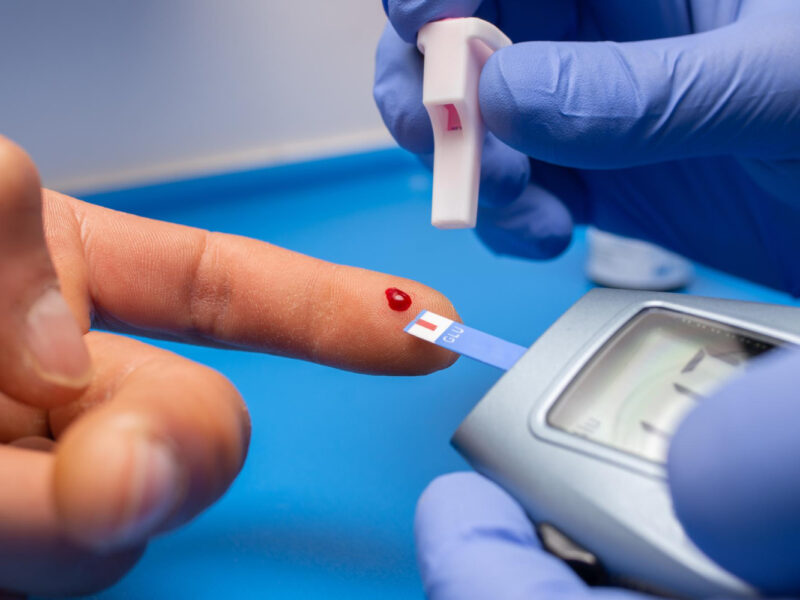


Your doctor says the results are “normal”, yet you feel worse than a year ago. It’s a common scenario. Laboratory reference ranges cover 95% of the population – including people with chronic conditions and unhealthy lifestyles. Longevity blood tests set the bar higher. The goal isn’t simply the absence of disease – it’s about optimal functioning of the body for decades to come. Find out which values truly reflect your health!
What to know about blood tests in a longevity context:
- Reference ranges cover a broad population and don’t reflect optimal values
- Fasting glucose and HbA1c are two fundamental markers of sugar metabolism
- A thyroid panel should include more than just TSH
- Testing frequency depends on age, lifestyle and individual risk factors
Why aren’t optimal and reference ranges the same thing?
Reference ranges are derived from results of a large group of people – both healthy and unwell. The laboratory sets a range that covers 95% of those tested. The problem is that this group includes individuals who are overweight, chronically stressed and dealing with inflammation. A result within the “normal range” simply means you don’t deviate drastically from the population average.
Optimal values represent a narrower range where the body performs at its best. Take fasting blood sugar – the lab norm reaches 99 mg/dl. But from a longevity perspective the optimal level sits between 72 and 85 mg/dl. The gap between 85 and 98 doesn’t indicate disease, but it signals that sugar metabolism is losing precision.
How does a population average differ from an optimal value?
A population average is a statistical midpoint – it shows where the “typical” person falls. In countries with high rates of obesity and diabetes, that average is pushed upward. An optimal value is based on research into people with the lowest risk of chronic disease and the longest projected lifespan. That’s precisely why optimal blood pressure differs from what the laboratory considers “normal”.
What do longevity blood tests reveal about your blood sugar – fasting glucose and HbA1c
Fasting glucose captures blood sugar at a single moment – in the morning, before eating. It’s a snapshot, not the full picture. A reading of 95 mg/dl falls within the laboratory norm. Yet research published in The Lancet (Emerging Risk Factors Collaboration, 2010) linked values above 90 mg/dl with a higher risk of cardiovascular disease. One measurement alone isn’t enough to assess how the body handles sugar day to day.
HbA1c fills in the gaps. It measures the percentage of haemoglobin bound to glucose and reflects average blood sugar over the previous two to three months. The lab norm sits below 5.7%, but preventive diagnostics aims for a range of 4.8-5.2%. Combining both markers gives a far more reliable picture than either one on its own.
Practical significance of both markers:
- Fasting glucose reacts quickly to stress, poor sleep and the previous meal, which is why a single reading can be misleading
- HbA1c shows a trend over several months and isn’t affected by what you ate yesterday
- Combining the two helps catch insulin resistance at an early stage, before it shows up in standard ranges
- An optimal HbA1c below 5.2% correlates with a lower risk of vascular complications even in people without diabetes
- Regular monitoring every six to twelve months lets you spot an upward trend before the result crosses the reference threshold
- Context matters – HbA1c can be falsely low in anaemia and falsely high with iron deficiency
When is it worth checking the thyroid more thoroughly?
The thyroid regulates metabolism, body temperature and energy levels. Standard blood screening tests only include TSH – the pituitary hormone that stimulates the thyroid to work. The problem is that TSH can appear normal even when the thyroid is no longer performing optimally. Subclinical hypothyroidism develops over years before TSH moves outside the reference range.
Fatigue, weight gain, hair loss and difficulty concentrating – these symptoms are often dismissed because “TSH is normal”. Meanwhile, free thyroid hormones (fT3 and fT4) may already signal declining function. Before making changes to your diet or lifestyle, consult a doctor who can assess the full hormonal picture.
Which thyroid tests should you have beyond TSH?
A full thyroid panel includes TSH, fT3, fT4 and antibodies – anti-TPO and anti-TG. FT3 is the active form that directly influences cellular metabolism. FT4 is a precursor – the body converts it to fT3 in the liver and peripheral tissues. Antibodies help detect autoimmune thyroiditis (Hashimoto’s), which accounts for the majority of hypothyroidism cases in developed countries.
What anti-ageing blood panel should you have beyond a full blood count?
A full blood count is a starting point, not the complete picture. It shows cell counts, haemoglobin and red blood cell volume, but reveals little about metabolism, inflammation or organ function. A metabolic panel expands the diagnostics to include glucose, glycated haemoglobin, fasting insulin, a lipid profile (including ApoB) and inflammatory markers – primarily hsCRP (a sensitive marker of inflammation) and homocysteine (an amino acid that damages blood vessels when elevated).
It’s worth adding vitamin D, vitamin B12, ferritin, uric acid and creatinine. These health markers help detect deficiencies and early signs of kidney or liver dysfunction. This is covered in detail in Peter Attia’s “Outlive” – the author argues that fasting insulin should be part of every panel, as it’s one of the earliest indicators of insulin resistance.
Which blood tests should you have every two to three years?
Less frequent tests cover parameters that change slowly:
- Testosterone and DHEA-S (an adrenal hormone linked to ageing) – particularly after 40, when levels naturally decline
- IGF-1, an insulin-like growth factor linked to ageing
- Omega-3 Index – the ratio of omega-3 to omega-6 fatty acids, important for controlling inflammation
- Lp(a) – a genetic cardiovascular risk factor that only needs measuring once in a lifetime
- Cystatin C – a more precise marker of kidney filtration than creatinine
How often should you repeat longevity blood tests?
Frequency depends on age, lab results and individual risk factors. For those under 40 with no health concerns, a comprehensive basic panel once a year is sufficient. A full blood count, lipid profile, glucose, glycated haemoglobin, vitamin D, ferritin, TSH with fT3 and fT4. After 40, repeating longevity blood tests every six to twelve months is worthwhile.
What matters most isn’t a single value but the trend. A rise in blood sugar from 78 to 92 mg/dl over three years still sits within the laboratory range, yet it shows a clear direction of change. Compare your results from the past two years – a consistent rise or fall in any parameter is worth discussing with your doctor.
How to talk to your doctor about optimal blood test values
Medical standards are built on reference ranges, not optimal ones. A conversation about optimal blood test values requires preparation. Bring a printout from the past two to three years and ask specifically: “My glucose has risen from 80 to 94. Is that reason for further investigation?”. Life expectancy depends largely on decisions made precisely when results are still “normal” but drifting from optimal values.
FAQ: Frequently asked questions about longevity blood tests
Can I order blood tests myself?
Most laboratories in Poland offer tests without a referral, and a full metabolic panel including thyroid and inflammatory markers typically costs between 300 and 500 PLN.
How much does a longevity panel cost?
An extended longevity panel covering a full blood count, extended lipid profile, glucose, HbA1c, insulin, thyroid, vitamin D, B12, ferritin and hsCRP costs between 400 and 800 PLN in commercial laboratories, depending on the scope.
What blood pressure actually protects against a heart attack?
Optimal blood pressure is below 120/80 mmHg, and cardiovascular diseases remain the leading cause of death worldwide, making regular blood pressure monitoring as important as blood tests.
Why does HbA1c matter even when fasting glucose is normal?
HbA1c reflects average blood sugar over two to three months and can reveal post-meal glucose spikes that a single fasting measurement would miss.
References:
- Zhang, X. et al. (2010). A1C Level and Future Risk of Diabetes: A Systematic Review. Diabetes Care. https://doi.org/10.2337/dc09-1939
- Emerging Risk Factors Collaboration (2010). Diabetes mellitus, fasting blood glucose concentration, and risk of vascular disease. The Lancet. https://doi.org/10.1016/S0140-6736(10)60484-9