
For millennia, the human body perfected the art of survival in the rhythm of natural periods of hunger and abundance. Today, when food is available almost without limits, intermittent fasting restores this lost harmony – not through restrictions, but through precise designation of eating windows. This elegantly simple method activates advanced cellular processes responsible for regeneration, renewal, and health extension. Learn the mechanisms that the longevity elite has been using for years!
Key information about intermittent fasting:
- Intermittent fasting is cyclical periods of eating and abstaining from meals
- The most popular 16/8 method is 16 hours of fasting and 8 hours of eating window
- Supports autophagy, improves insulin sensitivity, and aids fat tissue reduction
- During fasting, you can drink water, tea, black coffee without additives
- First effects visible after 2–4 weeks of regular application
What is intermittent fasting?
Intermittent fasting is a nutritional pattern where you consciously divide the day into eating periods and fasting periods. It’s not about what you eat, but when you eat. The body goes through two metabolic states – fed state (after meal) and fasting state (between meals). In fasting state, repair and cleansing processes occur that are unavailable during digestion.
The method has various variants. 16/8 is 16 hours of fasting and 8 hours of eating window – the most popular form. 5:2 means five days of normal eating and two days with significantly limited calories (about 500–600 kcal). Eat–Stop–Eat is 24–hour fasts once or twice a week. Each form has the same goals – activate regenerative and metabolic processes.
What are the rules of 16/8 intermittent fasting?
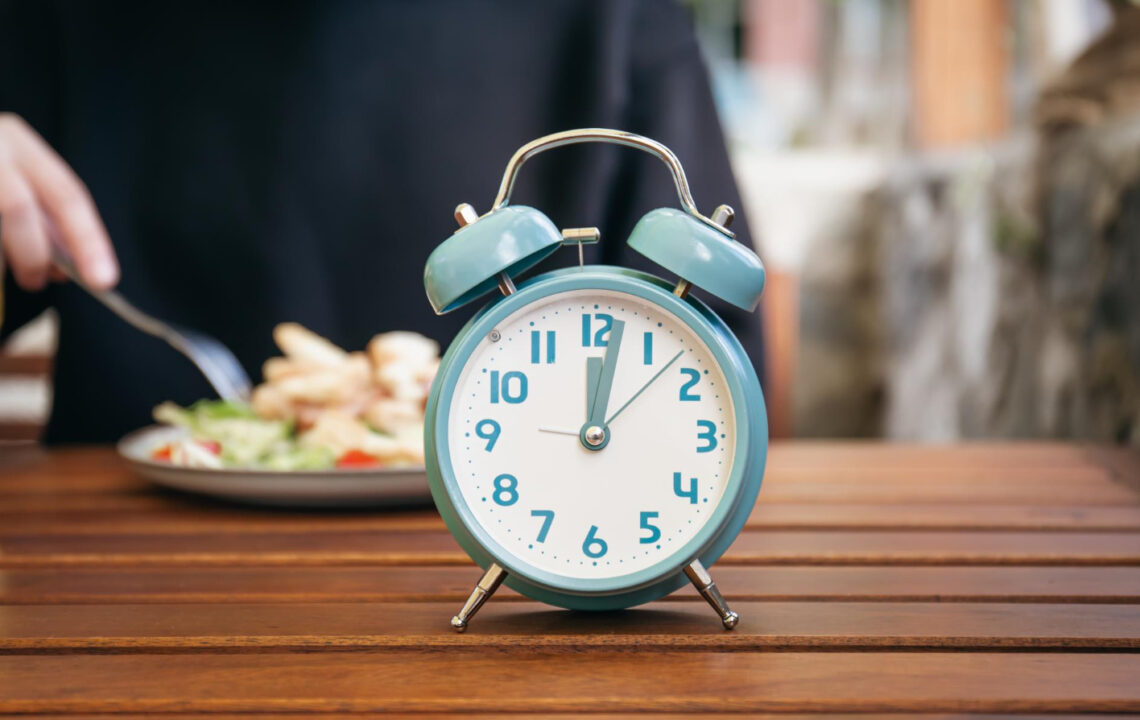
The 16/8 method divides the day into 16 hours of fasting and 8 hours of eating window. In practice, this often means skipping breakfast – last meal at 8:00 PM, first the next day at 12:00 PM. This is a natural extension of nighttime fasting that most people tolerate without discomfort.
In the eating window, you eat normally, without counting calories. You focus on valuable products – protein, healthy fats, vegetables, whole grains. You avoid processed food and excess sugar. Food quality matters – intermittent fasting is not a license to binge on fast food during designated hours.
Rules of effective 16/8 fasting:
- Set fixed hours for eating window – the body likes routine
- Drink lots of water during fasting – hydration supports detoxification
- Eat valuable meals – protein, fats, fiber
- Avoid snacks just before window ends – give yourself digestion time
- Be flexible on weekends if needed – this should be a long–term habit
Intermittent fasting and quick weight loss
Intermittent fasting is not a miracle pill for quick weight loss. It’s a tool that supports caloric deficit and improves metabolism. Research shows that people using intermittent fasting naturally eat 300–500 fewer calories daily because they have less time for meals and snacks.
The body in a fasting state switches to burning fat as the main energy source. After 12–16 hours without eating, glycogen in the liver is depleted and the body starts breaking down fat tissue. This process is called ketogenesis – production of ketones from fats. Ketones are efficient fuel for the brain and muscles.
Long–term, intermittent fasting preserves muscle mass better than traditional caloric diets. With appropriate protein intake and strength training, reduction mainly concerns fat tissue. This is a key difference – you lose fat, not muscle. This strategy combines excellently with principles of calorie restriction for longevity.
What can you drink during intermittent fasting?
During fasting, you can drink water, tea, and black coffee without additives. These fluids don’t break the fast because they don’t provide calories or trigger insulin response. Water supports detoxification and maintains hydration. Green tea contains catechins that support fat burning. Black coffee can reduce hunger feeling thanks to caffeine.
What to avoid? Milk, cream, sugar, sweeteners, juices, sodas. Even a pinch of milk in coffee can trigger insulin secretion and interrupt metabolic processes characteristic of fasting. If you need flavor, add a lemon slice to water or a pinch of cinnamon to coffee – these are safe options.
Allowed fluids during fasting:
- Plain or sparkling water
- Green, black, herbal tea (without additives)
- Black coffee without milk and sugar
- Water with lemon or lime
- Tea with cinnamon or ginger
When is it best to eat the last meal?
The last meal should be eaten 2–3 hours before sleep. This gives the body time to digest and lower insulin levels before night. Eating just before bed raises body temperature and makes falling asleep difficult. The body focuses on digestion instead of regeneration.
If you eat your last meal at 8:00 PM and go to bed at 11:00 PM, you give yourself time to start nighttime fasting in comfortable conditions. Digestion of main components has already begun, glucose level drops, and the body shifts to repair mode. Nighttime sleep is a natural fasting period – you can extend it by shifting the first meal to noon the next day. Sleep quality affects hunger hormone regulation, so these two elements mutually support each other.
Why not eat until full?
Overeating, even healthy products, overloads the digestive system and negates fasting benefits. When you eat to full satiety, the body must mobilize all resources for digestion. Pancreas secretes lots of insulin, liver intensively processes glucose, and the intestines work at full capacity. This is the opposite of the regenerative state that fasting was supposed to provide.
Better to eat to 80% fullness – a principle known as hara hachi bu. After 20 minutes you feel full satisfaction without feeling heavy. In the context of intermittent fasting, this means you have space for another meal in the eating window without overfilling the stomach.
When do you see the first effects of intermittent fasting?
First signs appear after 2–4 weeks of regular application. You notice greater morning energy, better concentration, more stable mood. The body adapts to the new pattern and more efficiently manages energy. Weight starts dropping, especially if you combine fasting with a valuable diet.
After 8–12 weeks, effects are clearer. Blood parameters improve – triglycerides drop, insulin sensitivity increases, inflammatory marker levels decrease. Body composition changes – you lose fat tissue, preserve muscles. This is the moment when intermittent fasting stops being an experiment and becomes a natural part of life.
Who shouldn’t use intermittent fasting?
Intermittent fasting is not for everyone. Pregnant and breastfeeding women must eat regularly for the child’s health. People with a history of eating disorders – anorexia, bulimia – should avoid any forms of nutritional restriction. Relapse risk is too high.
Children and youth need regular meals for proper growth and development. People with type 1 diabetes or using insulin must consult any diet change with a doctor – hypoglycemia risk is real. Underweight people shouldn’t further restrict calories.
Contraindications to intermittent fasting:
- Pregnancy and lactation period
- Eating disorders in history
- Children and youth under 18 years old
- Type 1 diabetes and insulin use
- Underweight and malnutrition
- Gastrointestinal diseases requiring regular meals
Practical plan to start with intermittent fasting
Start gently – first week shift breakfast an hour later than usual, second week another hour. Gradually you’ll reach 16 hours of fasting without sudden shock to the body. First days can be difficult – hunger, irritability, energy drops. This is normal, after a week symptoms subside.
Choose an eating window that fits your lifestyle – if you like breakfasts, eat from 8:00 AM to 4:00 PM, if you prefer social dinners, 12:00 PM–8:00 PM window will be better. The key is consistency, not an ideal scheme – stick to chosen hours for at least a month to see real effects.
FAQ – most frequently asked questions about intermittent fasting
Will intermittent fasting slow metabolism?
No, short–term fasting (16–24 hours) doesn’t slow metabolism – on the contrary, short fasting periods can increase metabolism by 3–14% through noradrenaline increase.
Can I exercise fasted during fasting?
Yes, fasted training is safe and can increase fat burning – but start with light workouts and listen to body signals, especially in the first weeks of adaptation.
Does intermittent fasting affect fertility?
Long–term intermittent fasting can disrupt the menstrual cycle in some women – if you notice irregularities, modify the plan or consult with a doctor.
Can I take supplements during fasting?
Fat–soluble supplements (vitamins A, D, E, K) are best taken with meals – water-soluble supplements (vitamins C, B) can be taken on an empty stomach.
References:
- Mattson, M. P., et al. (2017). Impact of intermittent fasting on health and disease processes. Ageing Research Reviews, 39. https://doi.org/10.1016/j.arr.2016.10.005
- Patterson, R. E., & Sears, D. D. (2017). Metabolic effects of intermittent fasting. Annual Review of Nutrition, 37. https://doi.org/10.1146/annurev-nutr-071816-064634
- de Cabo, R., & Mattson, M. P. (2019). Effects of intermittent fasting on health, aging, and disease. New England Journal of Medicine, 381(26). https://doi.org/10.1056/NEJMra1905136