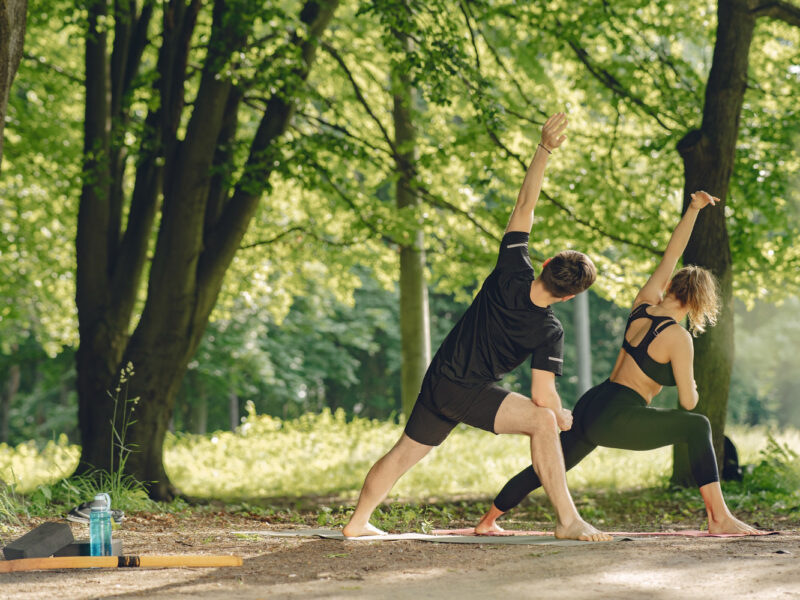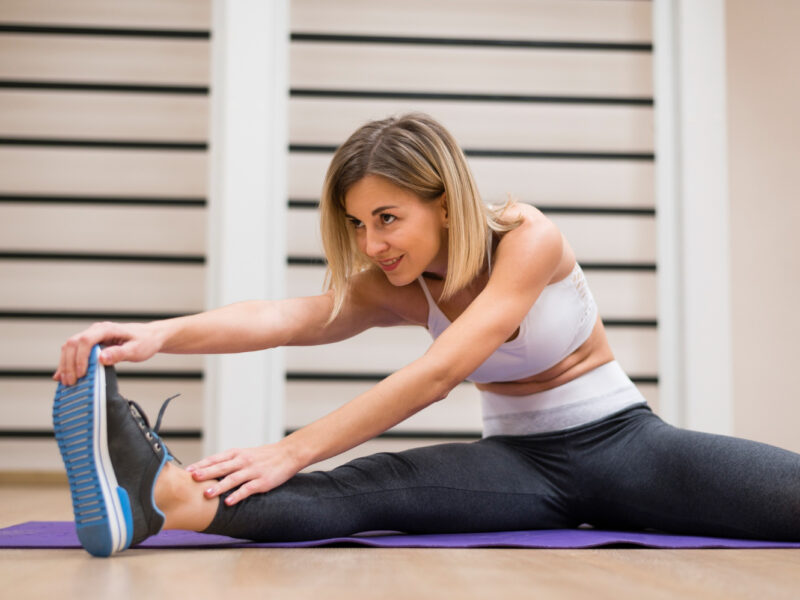

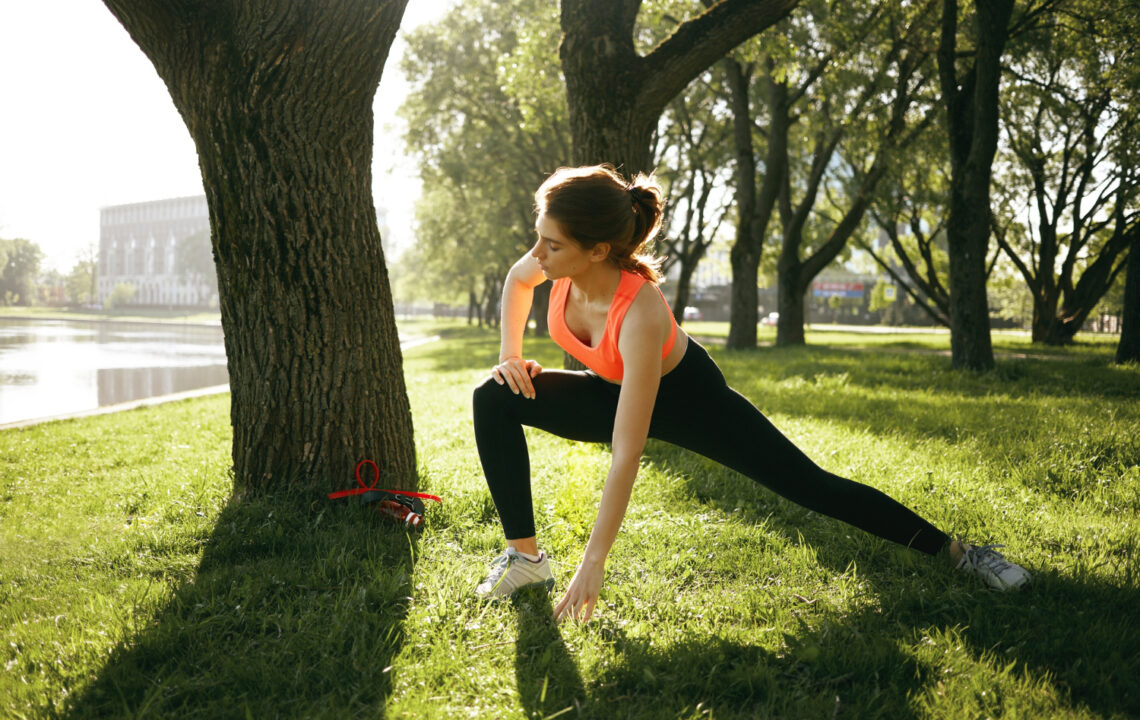
A two-year-old can perform a deep squat without any training. An adult after 30 years at a desk often cannot bend down to pick up a sock without pain. Fundamental human movement patterns are the movements we are born with – the squat, lunge, push, pull and rotation. Losing them means losing not only fitness but also protection against injury. Find out how to reclaim them and train for everyday life!
Key facts about movement patterns:
- Seven fundamental patterns include the squat, lunge, hip hinge, push, pull, rotation and gait
- A sedentary lifestyle reduces range of motion by an average of 20-30% per decade
- Correct movement patterns lower the risk of injury by up to 50%
- Pattern-based training yields results faster than isolated machine exercises at the gym
Which movements are natural for the human body?
The human body was designed for seven fundamental movement patterns – the squat, lunge, hip hinge, push, pull, rotation and gait. Each engages multiple joints and muscle groups simultaneously. Research published in the Journal of Strength and Conditioning Research confirms that pattern-based training improves functional strength by 25-35% more effectively than isolated machine exercises.
These movements accompanied humans for hundreds of thousands of years of evolution. Hunter-gatherers performed them daily – bending to collect food, climbing trees, carrying loads, rotating to throw a spear. The modern body has identical biomechanics but an entirely different set of daily conditions.
The seven fundamental movement patterns
Every movement you make during the day is a variation of one of the seven patterns. Standing up from a chair is a squat. Walking upstairs is a lunge. Picking a bag up from the floor is a hip hinge. Understanding these patterns allows you to build a training programme that directly translates into everyday fitness.
Seven movement patterns and their functions:
- Squat – standing up, sitting down, lifting objects from knee height
- Lunge – climbing stairs, stabilising during walking on uneven ground
- Hip hinge – lifting loads from the floor, bending forward
- Push – opening doors, placing objects on a shelf
- Pull – opening drawers, loading shopping into the car
- Rotation – turning around, reaching behind, throwing
- Gait – basic locomotion engaging the entire kinetic chain – the coordinated work of all joints and muscles during movement
What are squats, lunges and hip hinges?
The squat primarily engages the quadriceps, glutes and core stabilisers. Knees bend, the hips move back and the torso stays upright. The lunge adds an element of balance – one leg works in front of the other, forcing asymmetric stabilisation. Hip hinge is a movement in which the hips travel backwards with minimal knee bend – crucial for protecting the spine when lifting.
Why are pushing, pulling and rotation equally important?
Pushing and pulling engage the upper body – shoulders, chest and back muscles. Rotation connects the upper and lower halves through the trunk, which acts as a force transmitter. Research in the Journal of Biomechanics found that people with a weakened rotation pattern have a 40% higher risk of lower back injuries. Neglecting any single pattern creates a weak link in the entire movement chain.
Why do we lose fundamental movement patterns?
The body adapts to what it does most frequently. A person spending 8-10 hours a day seated loses hip range of motion, shortens the hip flexors and weakens the glutes. The brain forgets a movement pattern it no longer uses. This isn’t a matter of age – it’s a matter of daily habits. A sedentary thirty-year-old can have poorer mobility than an active sixty-year-old.
A simple test that reveals your movement weak spots
Five minutes is enough to check the state of your patterns. Perform a deep overhead squat, a forward lunge on each leg, a straight-leg toe touch and a trunk rotation to both sides. Any movement that causes pain, limits range or forces compensation points to a pattern that needs work.
What to look for during a squat?
The heels should remain on the ground throughout the movement. Knees should not collapse inward. The torso maintains a natural spinal curve without excessive forward lean. If the heels lift off the floor, the ankles or calves have limited mobility. If the knees cave in, the glutes and external hip rotators – the muscles responsible for turning the thigh outward – are too weak.
Exercises that fix the most common movement errors
Fixing patterns begins with mobility – unlocking range of motion in joints that have been restricted by a sedentary lifestyle. The next step is stability – strengthening the muscles responsible for control within the new range. Only then does strength training with load become worthwhile.
Corrective exercises for fundamental patterns:
- Goblet squat – squatting with a weight held at the chest teaches the correct movement path
- Bulgarian split squat – builds single-leg strength and balance, correcting asymmetry
- Romanian deadlift – repairs the hip hinge pattern and strengthens the posterior chain – the glutes, hamstrings and spinal erectors
- Full-range press-up – pushing with core activation and scapular stabilisation
- Band row – pulling that opens the chest and strengthens the back muscles
Do correct movement patterns protect against injury?
Correct movement mechanics distribute load evenly across joints, ligaments and muscles. When a pattern is faulty, some structures absorb a disproportionate amount of force. A knee that collapses inward during a squat loads the anterior cruciate ligament far more than a knee in proper alignment. Repeating a faulty pattern thousands of times builds micro-damage that eventually leads to injury.
Movement pattern training works as prevention – it doesn’t eliminate risk but significantly reduces it. A body that knows how to move correctly reacts to unexpected situations faster and more safely. Slipping on ice, suddenly lifting a heavy object, catching your balance on an uneven surface – each of these situations tests the quality of your patterns.
How to train to move better every day?
The best training for daily fitness relies on multi-joint movements performed through a full range of motion. Three sessions per week of 30-40 minutes are enough to maintain and improve patterns. The key principle – quality over quantity. Eight correct squats beat twenty sloppy ones. Everyday non-exercise activity fills in the rest – walking, taking the stairs, carrying the shopping. You don’t need a gym – bodyweight alone is enough to start with, and over time it’s worth adding load such as a kettlebell or resistance band.
FAQ: Most frequently asked questions about movement patterns
How long does it take to improve movement patterns?
Initial changes in mobility and movement control appear after 2-4 weeks of regular practice, but embedding correct patterns requires 8-12 weeks of consistent training.
Can movement patterns be practised at home?
Squats, lunges, hinges, press-ups and rotation exercises can all be done at home without equipment, and bodyweight provides a sufficient training stimulus to start with.
How do movement patterns change with age?
Range of motion and strength decline by roughly 10% per decade after the age of 30, but regular pattern training can slow this process by as much as half.
References:
- Suchomel, T. J., et al. (2018). The Importance of Muscular Strength: Training Considerations. Sports Medicine. https://doi.org/10.1007/s40279-018-0862-z