

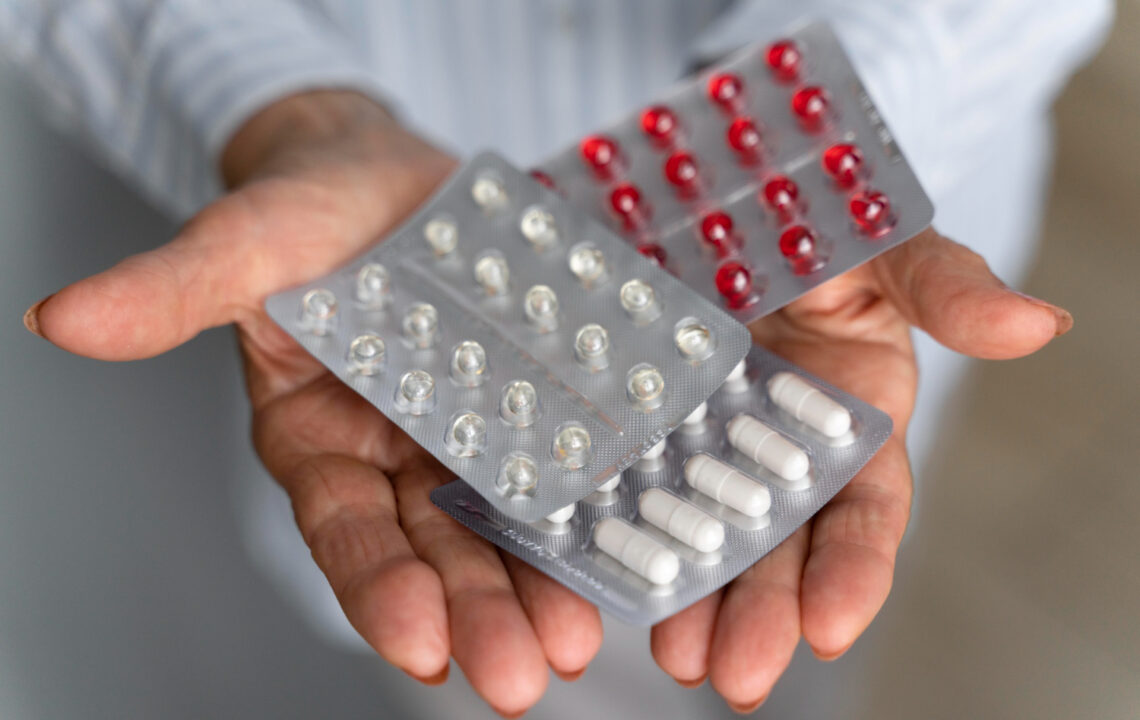
Antibiotics save lives – that’s a fact. Yet every course of treatment is also a serious intervention in the gut microbiome – and the relationship between antibiotics and the microbiome is becoming one of the most studied topics in longevity science. Scientists now understand that a destroyed gut flora after antibiotics can trigger a cascade of changes affecting immunity, heart disease risk, and longevity. If you want to know how to protect yourself and those you love during antibiotic treatment, read on.
Key facts about antibiotics and the microbiome:
- Antibiotics destroy gut flora – they kill not only pathogens but also beneficial gut bacteria
- Post-antibiotic dysbiosis can persist for months, and some bacterial species never return
- Clostridioides difficile is a dangerous bacterium that proliferates after antibiotic therapy and can lead to serious complications
- Antibiotic resistance is a global threat – superbugs kill hundreds of thousands of people every year
- Probiotics and fermented foods can accelerate gut recovery after antibiotics
How do antibiotics affect the gut microbiome?
An antibiotic doesn’t distinguish between pathogens and beneficial bacteria – it destroys everything in its path. The gut microbiome is an ecosystem of trillions of microorganisms, each performing a specific role: digesting fibre, producing vitamins, regulating the immune system, and communicating with the brain. A course of antibiotics can erase a significant portion of that diversity within days.
Research published in Microbiology (Jernberg et al., 2010) found that after a single course of a broad-spectrum antibiotic, the composition of gut microbiota changed drastically and had not returned to its original state even after two years. Some species disappeared entirely. This isn’t a temporary disruption. It’s a lasting change to the environment in which your immune and digestive cells live.
Do antibiotics increase the risk of heart disease?
Yes – post-menopausal women who took antibiotics for two months or more had a 32% higher risk of cardiovascular disease. The link with heart attack risk may seem surprising, but the mechanism is straightforward. Antibiotics disrupt gut flora, triggering chronic intestinal inflammation.
Pro-inflammatory cytokines – immune signalling proteins – then damage the endothelium, the inner lining of blood vessels. That’s the first step towards atherosclerotic plaque (a fatty deposit that narrows the artery). The link between antibiotics and the microbiome therefore extends well beyond the gut to the entire cardiovascular system. It explains why people with a disrupted microbiome tend to have higher levels of CRP (C-reactive protein) and triglycerides in their blood.
Dysbiosis – what happens to gut bacteria after antibiotics?
Post-antibiotic dysbiosis is a state in which the composition and balance of gut bacteria are seriously disrupted. Some species decline, others vanish entirely, and opportunistic bacteria fill the gap. One of the most dangerous scenarios is the overgrowth of Clostridioides difficile. A microorganism normally kept in check by other bacteria, but one that can dominate the gut after antibiotic therapy and trigger severe colitis with fever and abdominal pain.
Dysbiosis isn’t only a digestive problem. Supporting the gut with fermented products helps reduce the risk of autoimmune conditions, allergies, obesity, and depression. The gut isn’t an isolated tube – it’s a central communication hub for the entire body.
Do lost bacteria ever return?
Some species return within a few weeks of completing the course. However, full restoration of microbiota diversity can take from 6 months to 2 years. And some species don’t return at all, especially after repeated or lengthy courses.
What are superbugs and why is antibiotic resistance growing?
Superbugs are microorganisms that have developed resistance to multiple types of antibiotics at once. Antibiotic resistance evolves through natural selection. When an antibiotic kills most bacteria, those carrying a resistance mutation survive and pass that resistance on to their offspring. And even to other bacterial species via genetic exchange.
The problem has compounded over decades. Overprescription in medicine, widespread use in livestock farming, and patients stopping courses once symptoms ease. Every unnecessary course creates an environment in which resistant strains can develop and spread.
How many people die from antibiotic resistance each year?
According to a report published in The Lancet in 2022, drug-resistant bacterial strains were the direct cause of 1.27 million deaths worldwide in 2019 alone – and indirectly contributed to a further 4.95 million. That’s more than HIV and malaria combined. Without systemic action, this figure could reach 10 million per year by 2050.
When are antibiotics genuinely necessary?
Antibiotics save lives in cases of bacterial pneumonia, severe kidney infections, sepsis, and tuberculosis. Demonising them would be a mistake. The key word is “bacterial”, however – antibiotics don’t work against viruses and serve no purpose against colds, flu, or COVID-19. WHO estimates that as many as 50% of antibiotics prescribed globally are unnecessary or inappropriate. When is an antibiotic genuinely needed – key signals:
- High fever above 38.5°C lasting more than three days – especially with chills or pain when breathing
- Infection confirmed by microbiological testing – urine culture or throat swab with sensitivity testing (a test identifying which antibiotic the bacterium responds to)
- Worsening condition after several days of symptomatic treatment, rather than gradual improvement
- Conditions requiring prompt treatment – scarlet fever, Lyme disease, urinary tract infections with systemic symptoms
For more on what genuinely shortens life expectancy, it’s worth reading separately.
How to protect the microbiome if you must take an antibiotic?
The most effective strategy is taking a probiotic two hours after each antibiotic dose and eating fermented foods throughout the course. The risk of an untreated bacterial infection far outweighs the risk of dysbiosis. So this isn’t about avoiding the antibiotic, it’s about consciously limiting the collateral damage. Before making any dietary or lifestyle changes, consult your doctor.
What to do during antibiotic therapy?
A protective strategy is straightforward. A few concrete steps you can put in place from day one of the course and continue for several weeks afterwards.
Practical actions during and after the course:
- Probiotic two hours after each antibiotic dose – never at the same time, or the antibiotic will destroy it
- Fermented foods every day – kefir, natural yogurt, sauerkraut, kimchi
- Fibre from vegetables and legumes – feeds the beneficial bacteria rebuilding in the gut
- Avoid alcohol and excess sugar – these encourage opportunistic bacteria to proliferate
- Continue probiotics for 4-6 weeks after finishing – the most effective way to restore the gut after antibiotics
Does antibiotic therapy have to mean gut problems?
Antibiotics save lives and skipping them would be a mistake. What matters is awareness. Acourse of treatment combined with active microbiome support (fermented foods, fibre, probiotics taken separately from each dose) allows the gut to rebuild within a few weeks. People who actively support their gut flora during treatment recover their microbial balance significantly faster than those who don’t.
This article is for informational and educational purposes only – it does not constitute medical advice. Before making any decisions regarding antibiotic therapy, probiotic supplementation, or dietary changes, consult your doctor or pharmacist. Do not discontinue or modify a prescribed antibiotic course on your own. Every body is different, and only a qualified healthcare professional can assess your individual health situation.
FAQ: Frequently asked questions about antibiotics and the microbiome
Does a single antibiotic course destroy the microbiome?
Even one course of antibiotics significantly alters gut microbiota composition – bacterial diversity can fall by 30-50% after just one week of treatment.
Do probiotics help during antibiotic therapy?
Strains such as Lactobacillus rhamnosus GG and Saccharomyces boulardii – live cultures of bacteria and yeast with well-documented clinical evidence – have demonstrated protective effects against antibiotic-associated diarrhoea. Take them two hours after each antibiotic dose.
How do you restore the gut after antibiotics?
The most effective strategy is combining probiotics (for 4-6 weeks after finishing) with a diet rich in fermented foods and fibre, which nourishes the bacteria re-establishing themselves in the gut.
Do antibiotics in childhood have long-term effects?
Early exposure to antibiotics (in the first two years of life) increases the risk of obesity, asthma, and allergies, because it disrupts the critical stage when the microbiome and immune system are being established.
References:
- Jernberg, C., et al. (2010). Long-term impacts of antibiotic exposure on the human intestinal microbiota. Microbiology. https://doi.org/10.1099/mic.0.040618-0
- Heianza, Y., et al. (2019). Antibiotic use and long-term risk of cardiovascular disease in women. European Heart Journal. https://doi.org/10.1093/eurheartj/ehz231
- Murray, C. J. L., et al. (2022). Global burden of bacterial antimicrobial resistance in 2019: a systematic analysis. The Lancet. https://doi.org/10.1016/S0140-6736(21)02724-0